How to Choose a Good Croissant ?
A croissant looks simple. It is a curved piece of pastry sitting in a basket or on a plate, usually next to a coffee. But anyone who has ever bitten into a truly great one knows it is anything but simple. The layers shatter just right. The inside is soft and slightly chewy. The butter flavor comes through clean and rich without feeling heavy. Then there are the ones that disappoint, pale and soft with no real layers, tasting more like plain bread than a proper pastry. The difference between the two is real, and once you know what to look for, you will never go back to settling.
In a city like San Francisco, where food culture is taken seriously and Bay Area eats are constantly talked about among locals and visitors alike, the croissant has earned its place on brunch tables across the city. Paired with the right coffee, it is one of the simplest and most satisfying breakfast combinations you can find. This guide breaks down exactly what separates a great croissant from a forgettable one, and what to keep in mind the next time you are picking one up at your favorite café.
What Actually Goes Into a Great Croissant
The croissant is a French pastry built on a technique called lamination. This means layers of butter are folded repeatedly into the dough, creating dozens of thin sheets that puff up during baking. When done right, this process creates that signature flaky exterior and a soft, airy interior with distinct honeycomb-like layers when you pull it apart. When done wrong, usually by rushing the process or using lower-quality butter, the layers collapse into each other and you end up with something dense and doughy.
Butter is the single biggest factor in croissant quality. European-style butter with a higher fat content produces a richer, more complex flavor. You can taste the difference immediately. American butters with more water content tend to create steam during baking that disrupts the layers, which is why the best artisan pastry makers are specific about what goes into their dough.
The fold count also matters. Traditional croissant dough is folded between 27 and 81 times, depending on the baker’s method. More folds create more layers and a more delicate texture, but they also require more time, skill, and patience. Bakeries that skip steps to speed up production almost always sacrifice texture in the process.
Here are the key things to look for when choosing a croissant:
- A deep golden-brown color on the outside, not pale or overly dark
- Visible, well-defined layers when you look at the cut end
- A light, hollow feel when you pick it up, not dense
- An audible crunch when you bite or tear it
- A clean, buttery smell without any greasiness
- A slightly chewy interior with soft, open layers inside
The Role of Freshness and Timing
Even a perfectly made croissant has a short window. Croissants are best eaten within a few hours of coming out of the oven. After that, the moisture from the inside starts to soften the exterior, and that satisfying crunch starts to fade. By the next day, even the best croissant loses a lot of what made it great to begin with.
This is why the café you choose matters as much as the croissant itself. A spot that bakes fresh daily and moves through its pastries quickly is going to give you a better experience than one that has items sitting out from early morning into the afternoon. In cities with strong coffee cultures, like San Francisco, the best cafes in the Bay Area tend to treat their food offerings with the same care they put into their espresso. The two go together, and good spots know it.
If you pick up a croissant and it feels light in your hand with a slightly warm shell, that is a great sign. If it feels soft all the way through without any crispness on the surface, it has likely been sitting too long. Temperature matters too. A croissant that has been refrigerated and not warmed back up properly loses its texture and can taste flat.
Pairing Your Croissant With the Right Coffee
A croissant on its own is wonderful. A croissant with a well-made coffee is a completely different experience. The slight bitterness and depth of a good espresso cut through the richness of the butter in the pastry, creating a balance that makes both things taste better. It is the same reason people in France have been having croissants with café au lait for breakfast for generations.
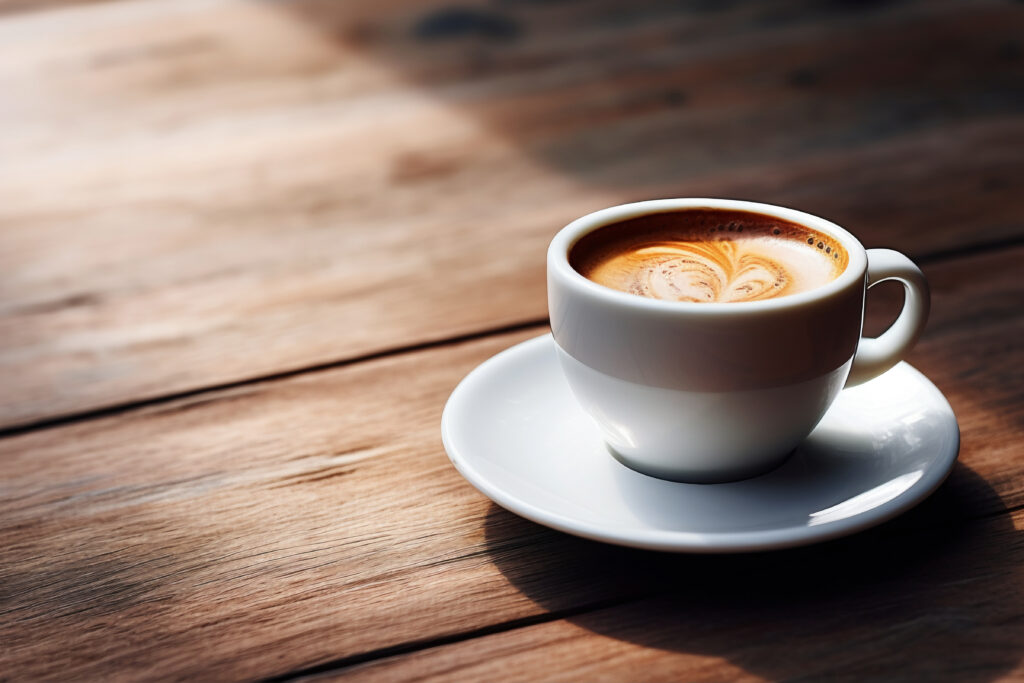
The pairing matters more than most people think. A flat white or a latte made with properly steamed milk adds a creaminess that complements the flaky layers without overpowering them. A black Americano or a pour-over works well if you prefer something cleaner and more straightforward. What does not work as well is a very sweet flavored drink, because the added sugar competes with the natural butter flavor of a well-made croissant rather than enhancing it.
At Doppio Coffee & Brunch on Mission St in San Francisco, the espresso is made using Lavazza, which brings a smooth and aromatic base that pairs naturally with food. The all-day brunch menu is built around seasonal ingredients, which means the pastry and food offerings change with what is actually good at the time rather than staying static year-round. The handcrafted espresso drinks are made carefully, and the cozy, stylish interior gives you the kind of atmosphere where sitting down with a croissant and a coffee actually feels like a proper start to the day.
For anyone searching for SF brunch near me or trying to find the best breakfast restaurants in SF, the combination of quality espresso and thoughtfully sourced food in one space is exactly what makes a brunch café worth returning to. The aroma when you walk into a well-run café, fresh coffee, warm pastry, and butter, is a big part of why the experience feels different from grabbing something on the go.
What to Expect From a Good Brunch Café in San Francisco
San Francisco brunch culture leans toward quality over quantity. People here are not looking for the biggest portion. They want good ingredients, honest cooking, and a space where they can actually relax. The best SF brunch spots tend to have a few things in common: a focused menu, ingredients that change with the season, coffee that is taken seriously, and a room that feels worth sitting in.
A few things that signal a quality café experience:
- A menu that does not try to cover everything, focused choices usually mean better execution
- Staff who can actually describe what is on the menu and make real suggestions
- Coffee that is made to order rather than sitting in a batch
- Pastries and food that move quickly because they are genuinely popular
- A space that feels designed for comfort, not just for photos
Doppio Coffee & Brunch checks these boxes in a way that has made it a solid spot among Bay Area foodie guide regulars and locals who know the Mission well. It works for solo mornings, weekend dates, casual catch-ups with friends, and remote work sessions when you need a good atmosphere and reliable coffee to get through the day. Takeout is also easy, which makes it a practical option for anyone who wants quality breakfast near me without the sit-down commitment.
For people who are new to specialty coffee shops in SF or just starting to pay more attention to what they eat for breakfast, starting with something simple like a croissant and a flat white is a great way to get a feel for what a café is capable of. Those two things tell you a lot about how much care goes into everything else.
The croissant is a small thing, but it is also a very honest thing. There is nowhere to hide in a pastry with that few ingredients. Every choice the baker makes shows up in the final result, and the same is true for the coffee sitting next to it. When both are done well, it is one of the best ways to start a day in a city that genuinely cares about food.