The Art Behind a Smooth Cup of Coffee
A smooth cup of coffee does not happen by accident. There is no single step that guarantees it. It is the result of a series of small decisions made well, from the moment a bean is selected to the second the drink is placed in your hands. Most people who love coffee can tell the difference between a smooth cup and a rough one, but fewer know what actually creates that difference. Once you understand what goes into it, you start seeing coffee in a completely new way, and you start caring a lot more about where you get it.
San Francisco has always been a city that cares about coffee. The Bay Area food culture treats a great cup of coffee the same way it treats a great plate of food: with curiosity, high standards, and a genuine appreciation for the work behind it. The best coffee in San Francisco is not found at the loudest or most heavily marketed spots. It is found at cafés where someone, usually a small team of people who genuinely love what they do, has paid close attention to every part of the process. This guide walks through what that process actually looks like and why it matters so much to the final taste in your cup.
It Starts Long Before the Café
The smoothness of a coffee is shaped by decisions made long before any barista touches it. Origin is the first factor. Coffee grown in different parts of the world carries distinct flavor characteristics based on soil, altitude, climate, and the specific variety of plant. Ethiopian beans are often described as bright and fruit-forward. Brazilian beans tend to be nuttier and heavier in body. Colombian beans sit somewhere in the middle, clean and balanced with a mild sweetness. None of these is better than the others. They are just different, and understanding that difference is part of what makes specialty coffee San Francisco drinkers talk about so interesting.
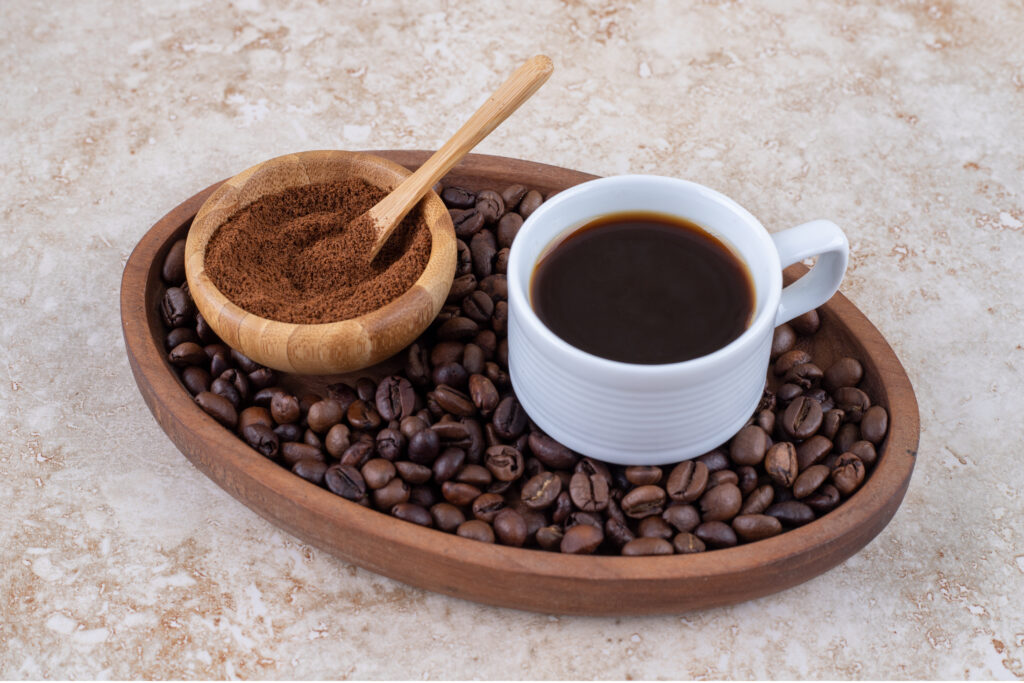
Processing is the next step. After coffee cherries are harvested, the fruit has to be removed from the bean inside. This can be done through washing, drying, or a mix of both. Washed coffees tend to taste cleaner and brighter. Natural-processed coffees, where the cherry dries around the bean, often carry more fruit and sweetness. These processing choices shape the flavor profile before any roasting happens.
Roasting is where the bean’s potential is either developed or lost. A skilled roaster reads the bean and adjusts heat and timing to bring out what is best in it. Light roasts preserve the origin flavors and tend to taste brighter and more complex. Dark roasts develop more bitterness and body, which some people prefer and which works well in milk-based drinks. The issue with over-roasting is that it burns away nuance and replaces it with a flat, harsh bitterness that no amount of good brewing can fix. Locally roasted coffee in San Francisco matters because fresh roasting means those flavors are still vibrant when they reach your cup, rather than fading in a warehouse over weeks or months.
Grind, Water, and the Extraction Window
Once you have a good bean that has been well-roasted, the brewing process takes over. This is where most café-quality coffee either comes together or falls apart. Three things matter most at this stage: grind size, water temperature, and extraction time.
Grind size determines how fast water passes through the coffee. A finer grind slows the water down and extracts more. A coarser grind lets water move quickly and extracts less. The right grind depends on your brewing method. Espresso needs a very fine grind because the water passes through under high pressure in under 30 seconds. Pour-over methods use a medium grind because water flows through more slowly by gravity. Getting this wrong in either direction creates a cup that is either bitter and over-extracted or sour and weak.
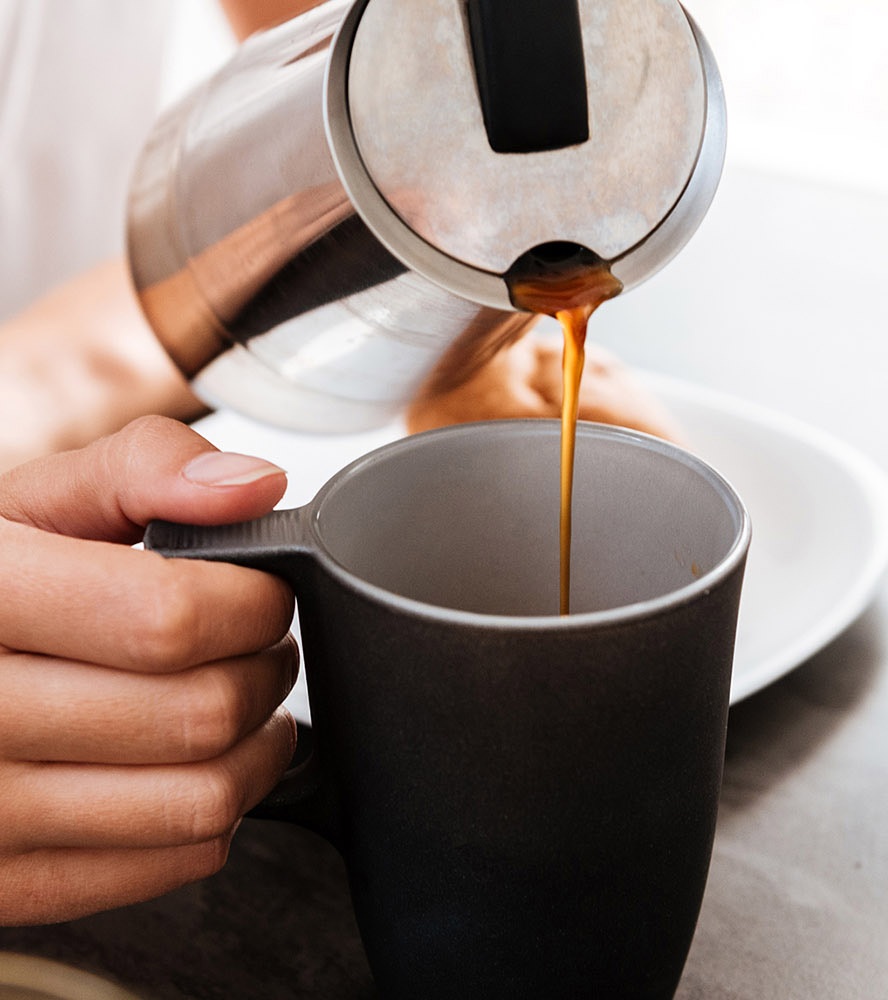
Water temperature is something a lot of home brewers overlook. The ideal range for most coffee brewing is between 195 and 205 degrees Fahrenheit. Boiling water at 212 degrees scalds the grounds and creates harsh, bitter flavors. Water that is too cool fails to extract properly and leaves the coffee tasting flat and thin. At artisan coffee shops in the Bay Area, water temperature is controlled carefully because the difference of even a few degrees shows up clearly in the final taste.
Here are the main variables that affect whether your espresso comes out smooth or not:
- Grind size and consistency across the entire dose
- Water temperature at the moment it contacts the grounds
- Extraction time, ideally between 25 and 30 seconds for espresso
- Dose weight, how many grams of coffee go into each shot
- Distribution and tamping pressure, how evenly the grounds are packed
- Machine calibration and cleanliness
Each of these interacts with the others, which is why pulling a great shot consistently requires real skill and attention. This is also why the same bean can taste completely different depending on who is making it and how carefully they are working.
Milk, Texture, and the Final Pour for Perfect Cup of Coffee
For espresso drinks made with milk, which covers most of what people order at specialty coffee shops in SF, the milk work is just as important as the espresso itself. Properly steamed milk should feel silky and smooth, not foamy or airy. The goal is a microfoam with tiny, even bubbles that blend into the milk and create a texture similar to melted ice cream. When this is done right, every sip feels rich and consistent from start to finish.
The temperature of steamed milk matters too. Most baristas aim for between 140 and 155 degrees Fahrenheit. Below that range, the milk tastes cold and flat. Above it, the milk proteins break down, the sweetness disappears, and the drink starts to taste scorched. People who ask for extra-hot drinks at cafés are often unknowingly trading flavor for temperature, which is worth knowing if you care about your latte tasting its best.
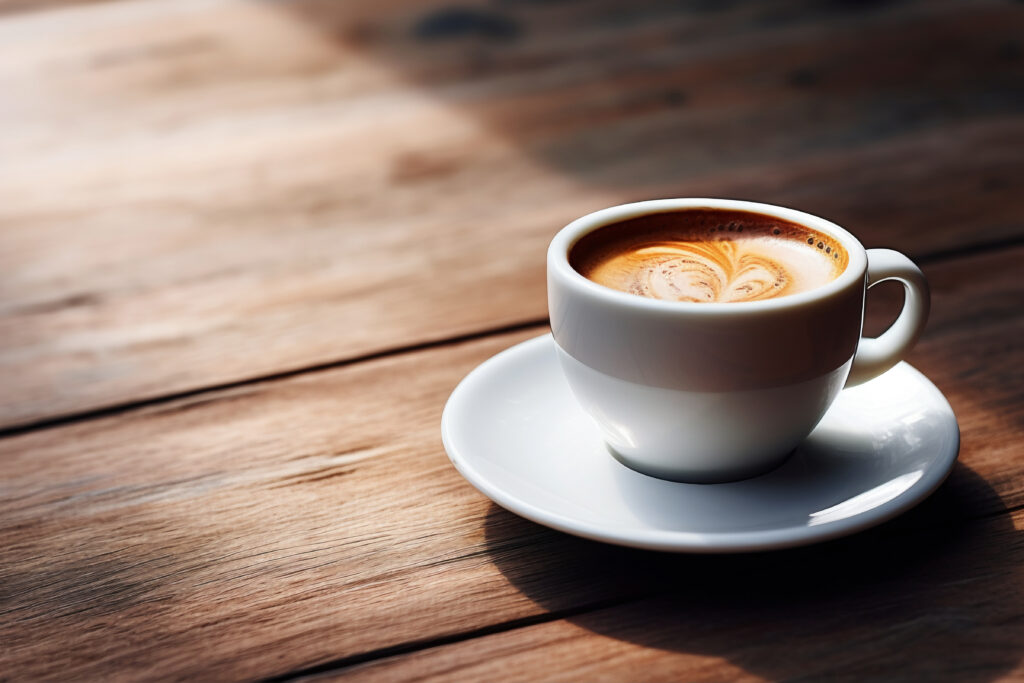
Premium latte art in San Francisco is not just decoration. The patterns you see poured into a well-made flat white or cappuccino are a byproduct of properly textured milk. If the milk has been steamed right, the barista can pour it in a controlled way that creates those clean, defined patterns on the surface. If the milk is too foamy or uneven, the pour falls apart. So when you see beautiful latte art, you are also seeing confirmation that the drink was made carefully.
Doppio Coffee & Brunch on Mission St in San Francisco uses Lavazza espresso as its foundation, which is known for producing a smooth, full-bodied shot with a consistent crema. The handcrafted espresso drinks are made with attention to each of these variables, which is a big part of why the coffee there stands out from a generic café experience. The aroma when you walk in, warm espresso and fresh food mixing together in a cozy, stylish space, signals before you even order that care has been put into everything.
What This Means When You Are Choosing a Café
Understanding what goes into a smooth cup of coffee changes how you evaluate the cafés you visit. You start noticing things you might have walked past before. Does the café have a grinder on the bar, or are they using pre-ground coffee? Do the baristas adjust their grind during the day as conditions change? Is the espresso machine clean? Does the milk get steamed fresh for each drink, or is it kept in a pitcher and reheated?
These are not minor details for coffee obsessives. They are the difference between a good cup and a great one, and they show up in every sip. The best cafes in the Bay Area tend to get all of this right because the people running them genuinely care about the outcome. That care is what builds the kind of loyal following that makes a spot a true neighborhood staple rather than just another café near me on a search list.
For anyone who loves brunch and wants good coffee to go with it, finding a spot that treats both with equal seriousness is the goal. A gourmet brunch in SF paired with a properly made espresso drink is one of the simple pleasures that makes living in or visiting this city so good. Doppio Coffee & Brunch brings that combination together in a space on Mission St that feels welcoming whether you are coming in for a quick morning coffee, a slow weekend brunch with friends, or a solo meal with something good to read. The craft behind every cup is real, and once you taste the difference, it is hard to settle for anything less.