
The Cultural Rise of Health-Conscious Brunch
Brunch used to mean one thing almost everywhere. Eggs cooked in butter. Toast with jam. Bacon on the side. Coffee poured from a pot that had been sitting on a burner since six in the morning. Maybe a Bloody Mary if it was a Sunday and the mood was right. It was filling, familiar, and completely uncomplicated. Nobody was asking where the eggs came from or whether the bread was made with ancient grains. You sat down, you ate, you left feeling heavy in the best possible way, and that was the point.
Something shifted. It did not happen overnight, and it did not happen because people suddenly stopped enjoying food. It happened because a growing number of people started connecting what they ate in the morning to how they felt for the rest of the day. They noticed that certain meals left them energized while others left them foggy and slow. They started reading ingredient labels. They started thinking about fiber and protein and inflammation and gut bacteria, not in a clinical way, but in a personal, practical way. And brunch, that beloved weekend ritual of late mornings and leisurely meals, became the place where that shift in thinking showed up most visibly on a plate.
Nowhere in the country has this cultural change played out more completely than in San Francisco. Bay Area food culture has always been at the front of movements that eventually reach the rest of the country, local produce, farm-to-table sourcing, plant-forward menus, ingredient transparency. Health-conscious brunch did not originate in SF, but it found its richest, most creative expression here. Understanding how that happened tells you a lot about where food culture is heading and why the best brunch in San Francisco today looks so dramatically different from what it looked like twenty years ago.
The Forces That Changed What Brunch Looks Like
Three things drove the rise of health-conscious brunch culture, and they did not work in isolation. They fed each other and built momentum over roughly two decades.
The first was access to information. As research on nutrition became more widely available and easier to understand, people started making connections between specific foods and specific health outcomes. The link between dietary fiber and gut health. The role of omega-3 fatty acids in reducing inflammation. The impact of refined sugar on blood sugar stability and energy levels throughout the day. This information did not stay in academic journals. It moved through social media, food blogs, podcasts, and conversations between friends at, fittingly, brunch tables. People who cared about how they felt started caring about what they ordered.
The second was the rise of dietary identities. Vegan, vegetarian, gluten-free, paleo, Mediterranean, plant-based, flexitarian. These are not just eating styles. For many people they are expressions of values around health, environment, and ethics. When a significant portion of a restaurant’s customer base eats in specific ways, the menu has to respond or those customers eat somewhere else. San Francisco cafes and San Francisco restaurants were among the first in the country to build menus that treated plant-based, allergen-friendly, and nutrient-focused dishes as core offerings rather than accommodations.
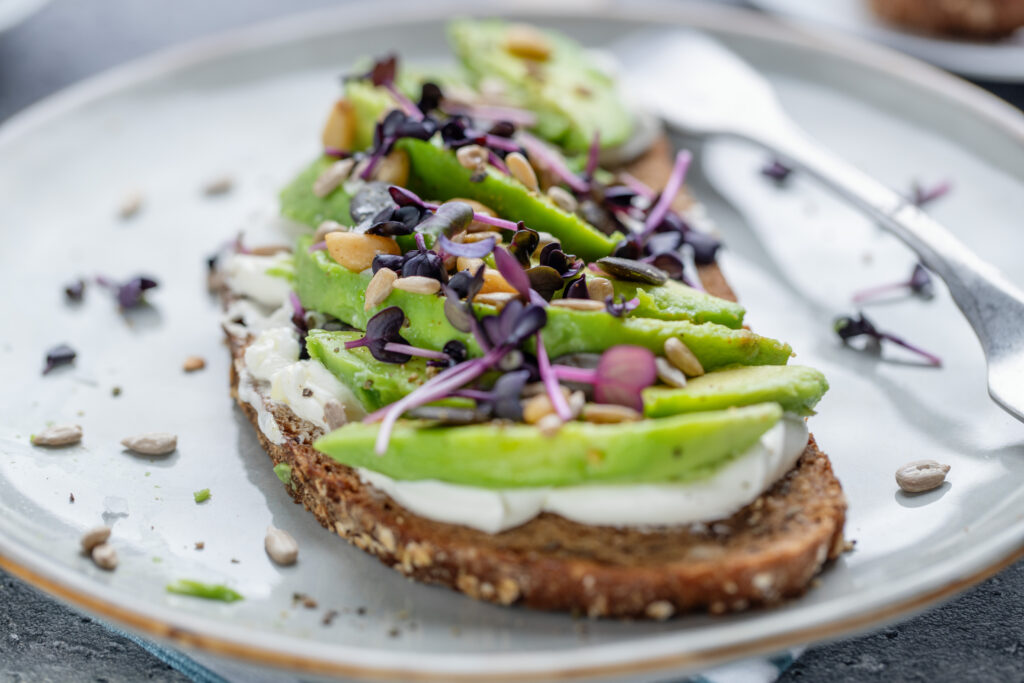
The best brunch places in the Bay Area for weekends now operate with the assumption that a table of four might include a vegan, a gluten-sensitive person, someone counting protein, and someone who just wants a really good egg dish, and all of them should eat something genuinely great.
The third force was the evolution of ingredients themselves. Superfoods, functional foods, adaptogens, and other health-forward ingredients moved from specialty stores into mainstream menus. Matcha, turmeric, chia seeds, avocado, quinoa, bone broth, kefir, acai, and spirulina went from niche to normal in cafe culture over a surprisingly short period. Chefs and kitchen teams who were already working with seasonal ingredients found it natural to add these into their rotation. The result was a new brunch vocabulary, one where a bowl might contain roasted sweet potato, soft-boiled eggs, fermented vegetables, and a tahini drizzle, and be described as a complete, balanced meal rather than a specialty health item.
What Health-Conscious Brunch Actually Looks Like on the Plate
The most important thing to understand about health-conscious brunch is that it is not about restriction. It is not about removing pleasure from the table or replacing everything enjoyable with something virtuous and bland. The best examples of this style of cooking are deeply satisfying, beautifully made, and built around ingredients that happen to be good for you because good ingredients almost always taste better.
A grain bowl at a top SF restaurants for brunch might include farro or freekeh as the base, both ancient grains with high fiber and protein content. Layered on top: roasted seasonal vegetables, a soft poached egg, pickled red onion for probiotic benefit and flavor, sliced avocado for healthy fat, and a lemon-tahini dressing that adds calcium, plant protein, and brightness all at once. Every element serves a flavor purpose and a nutritional purpose simultaneously. This is not an accident. It is the result of chefs thinking carefully about both dimensions of a dish rather than treating them as separate concerns.
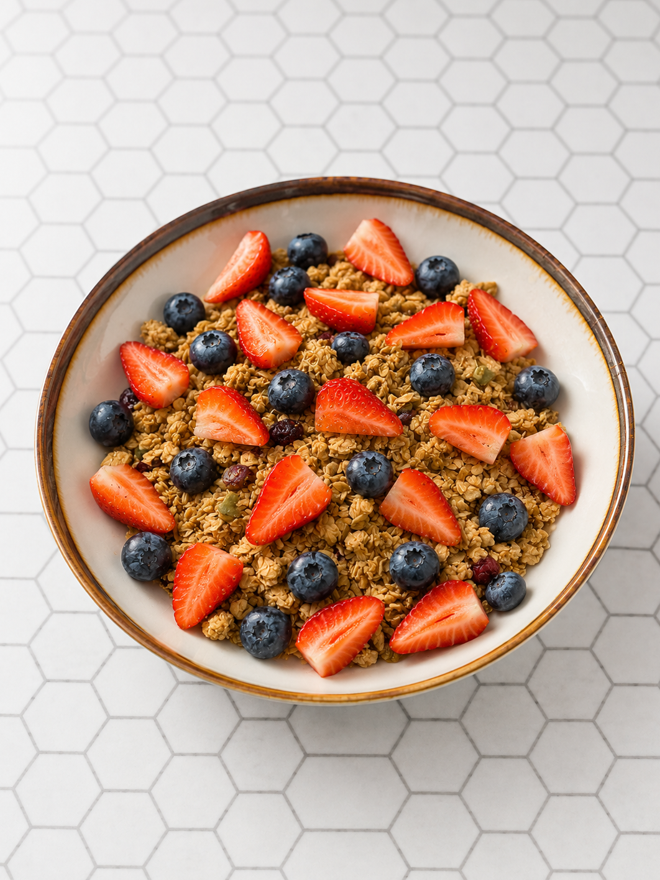
Smoothie bowls replaced or supplemented the traditional fruit plate at many San Francisco cafes because they allow for a much higher concentration of functional ingredients in a single serving. A well-made acai bowl with banana, hemp seeds, granola, and fresh berries delivers antioxidants, essential fatty acids, complete protein, and complex carbohydrates in something that also looks beautiful and tastes genuinely good. The visual quality of these dishes is not superficial. The same care that goes into how a dish looks usually reflects the care that went into what is in it.
Plant-based proteins have become a staple of health-forward brunch menus across Bay Area brunch spots. Tofu scrambles seasoned with black salt and turmeric, chickpea flour omelets, tempeh bacon, lentil-based dishes, and legume-rich bowls all provide the protein and satiety of traditional egg-and-meat brunch food without the saturated fat load. At the same time, high-quality animal proteins have not disappeared. Sustainably sourced smoked salmon, pasture-raised eggs, and grass-fed dairy appear on the best menus as options rather than defaults, giving people real choices rather than forced alternatives.
Drinks have changed too. The coffee side of the health-conscious brunch story is its own chapter. Matcha lattes, turmeric golden milk, adaptogen-infused drinks, and alternative milks have moved from specialty items to expected menu staples at any good SF cafe or artisan coffee Bay Area shop.
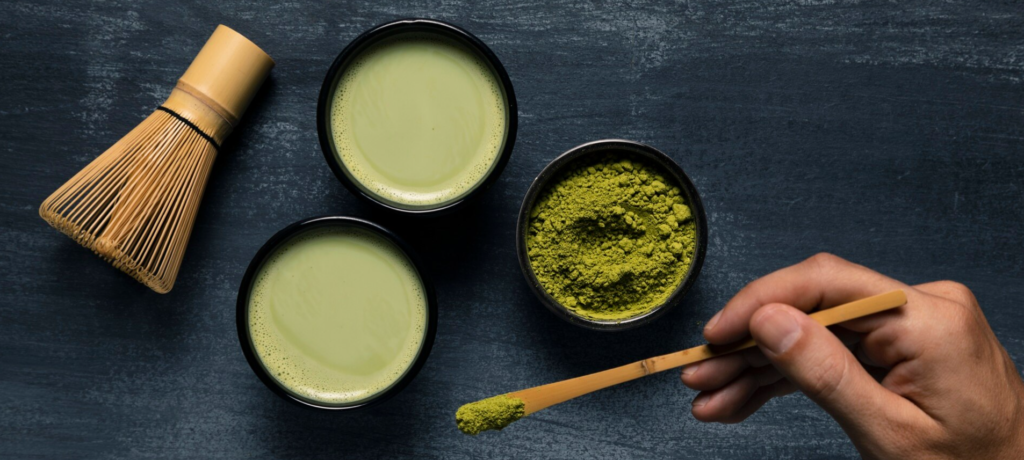
At Doppio Coffee & Brunch on Mission St, the handcrafted espresso drinks made with Lavazza beans anchor the drinks menu, but the surrounding options reflect how broadly the definition of a good morning drink has expanded. The all-day brunch menu and the cozy stylish interior of the Mission St location make it a natural spot for people who want a full, intentional morning meal paired with a drink that feels right for how they want their day to go.
Where Brunch Culture Is Going Next
Health-conscious brunch is not a passing phase. It has become the expected baseline at the best cafes in the Bay Area and at top San Francisco restaurants for brunch, and that standard keeps rising. A few directions stand out as particularly strong in shaping the next evolution of brunch culture.
Regenerative and hyperlocal sourcing is becoming more important to both restaurants and diners. Beyond organic, regenerative agriculture actively improves soil health and biodiversity. Restaurants that source from regenerative farms are making a choice that affects the environment and the nutritional density of the food. Diners are increasingly aware of this, and it is becoming a genuine differentiator for the best restaurants in San Francisco.
Gut health is moving from background concern to menu driver. Fermented foods, prebiotic-rich ingredients, and probiotic drinks are being incorporated more deliberately into brunch dishes as understanding of the gut microbiome becomes more mainstream. Expect to see this reflected in menus across Bay Area foodie spots over the next few years in ways that feel natural rather than clinical.
Personalization is becoming a practical reality rather than a luxury. The ability to build a dish around your specific needs, more protein, no gluten, extra vegetables, different milk, swapped dressing, is increasingly standard at the best brunch places in the Bay Area. Menus that offer this flexibility without making it feel complicated or awkward are the ones that earn loyal, returning customers.
Doppio Coffee & Brunch on Mission St sits naturally within this evolving landscape. Seasonal ingredients, a menu built for all-day brunch, and a space that feels genuinely welcoming make it the kind of place where health-conscious eating feels like a natural part of a good morning rather than a compromise. Takeout is available for busy days when you want to bring that quality with you. For anyone building their own Bay Area foodie guide or looking for must-visit brunch places in SF that reflect where food culture is actually heading, this is the kind of spot worth knowing.
Health-conscious brunch grew out of a cultural moment when people started expecting more from their food. Not just satisfaction in the moment, but energy, wellbeing, and the feeling of having made a choice that was genuinely good. That expectation changed what restaurants put on plates, and it changed what people look for when they search for the best brunch in San Francisco. The result is a brunch culture that is more creative, more thoughtful, and more satisfying than what came before, and it keeps getting better.