
The Secret to Better Coffee: Freshly Roasted Beans
Ask any serious barista at a cafe what single change would most improve the coffee most people drink every day, and the answer is almost always the same: fresher beans. Not a better machine. Not a different brewing method. Not filtered water, though that matters too. Fresher beans. It sounds almost too simple, but the science behind it is real and the difference in the cup is dramatic once you have experienced it.
Most people have never tasted truly fresh coffee because the beans available at grocery stores, even good ones, are rarely fresh in any meaningful sense of the word. Understanding what freshness actually means in coffee, why it matters so much, and how to find it changes your relationship with the drink in a lasting way.
The coffee you buy in a sealed bag at a supermarket could have been roasted weeks or months before it reached the shelf. The roast date, if it appears at all, is often buried in small print or absent entirely. Best-by dates on coffee packaging typically extend 12 to 24 months from roasting, which gives you almost no useful information about when the beans were actually at their best. By contrast, the ideal window for drinking most roasted coffee is somewhere between five days and four weeks after the roast date, with some beans peaking earlier and some lasting a little longer depending on their processing method and roast level.
Buying beans roasted today and drinking them next month is not a dramatic difference. Buying beans roasted three months ago and expecting them to taste like something worth appreciating is where the gap becomes real and noticeable.
In San Francisco, where the culture of locally roasted coffee in San Francisco has produced some of the most respected roasters in the country, freshness has been a genuine priority for decades. The best cafes in the Bay Area source their beans with roast dates in mind and rotate their stock to make sure what goes into the grinder is within its peak window. This practice, more than any other single factor, is what makes the coffee at a great SF cafe taste so different from what you make at home with grocery store beans.
What Happens Inside a Coffee Bean During and After Roasting
To understand why freshness matters so much, you need to understand what roasting actually does to a coffee bean and what happens to the bean after roasting is complete.
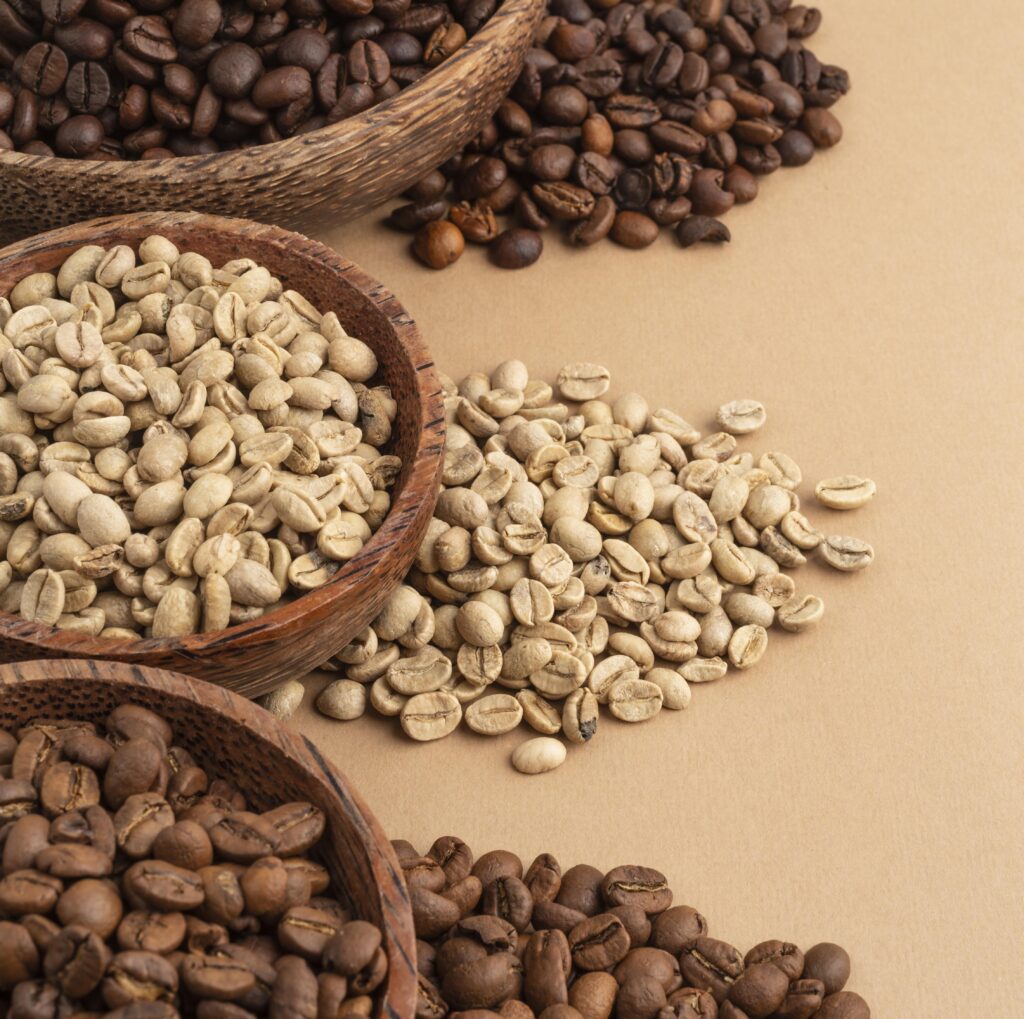
Green coffee beans, the raw, unroasted seeds of the coffee plant, are dense, hard, and smell faintly grassy. They contain no coffee flavor as we know it. All of the flavors, aromas, and compounds that make it taste like coffee are created during the roasting process through a series of chemical reactions that transform the raw bean entirely.
The most important of these is the Maillard reaction, the same process responsible for browning bread and searing meat. When heat is applied to the bean, amino acids and reducing sugars react with each other to create hundreds of new flavor compounds, including the pyrazines that give coffee its characteristic roasty depth, the furans that contribute caramel and sweet notes, and the thiols that produce the distinctive aroma of fresh coffee. Caramelization of the bean’s sugars adds additional sweetness and complexity. The cellular structure of the bean expands and the density decreases as moisture and carbon dioxide are driven off.
That carbon dioxide is critical to understanding freshness. During roasting, significant amounts of CO2 are trapped inside the bean as a byproduct of these chemical reactions. After roasting is complete, the bean begins releasing this stored CO2 through a process called degassing. Degassing happens continuously and relatively quickly in the first days and weeks after roasting, slowing over time as the CO2 reserves are depleted.
This is why freshly roasted beans bloom vigorously when hot water is poured over them in a pour-over brew: the CO2 escaping from the grounds creates the bubbling, foaming expansion that is called the bloom, and it is a direct visual indicator of bean freshness. Beans that produce no bloom or only a minimal one are largely degassed and therefore no longer fresh.
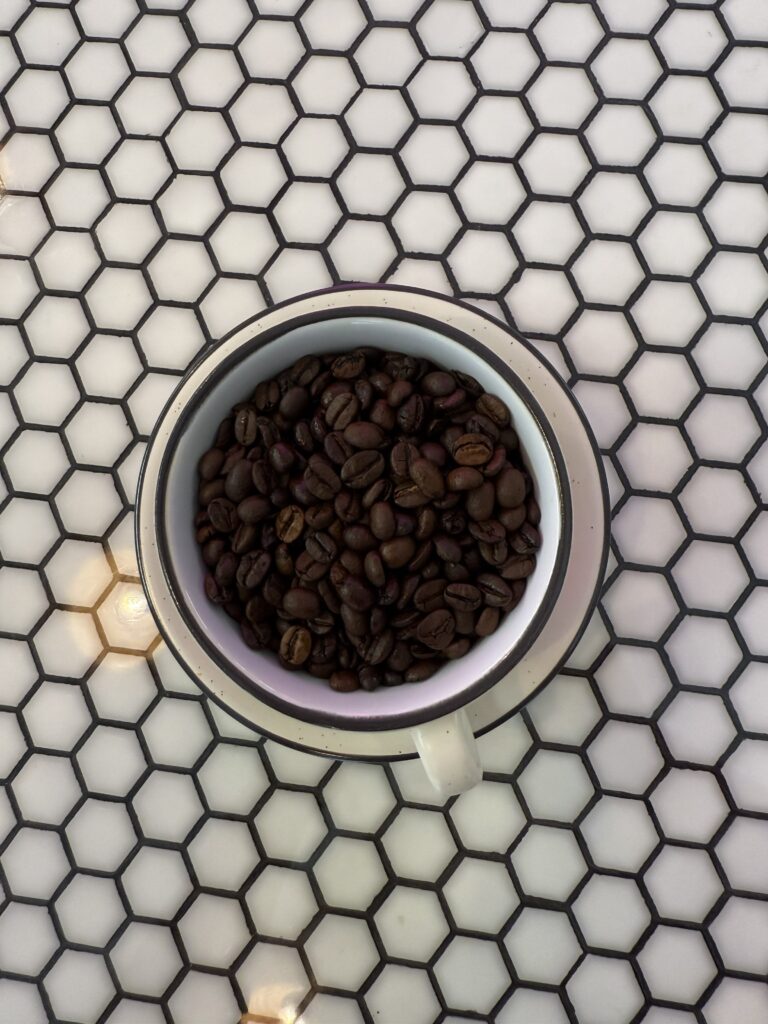
The CO2 in freshly roasted beans is not just a freshness indicator. It plays an active role in flavor development during brewing. CO2 in the bean interacts with water during extraction and influences how other compounds dissolve and carry flavor into the cup. Very freshly roasted beans, within the first two to four days after roasting, can actually produce inconsistent extraction because the CO2 escaping during brewing interferes with proper water contact. This is why most specialty coffee roasters recommend a resting period of two to five days for espresso and one to two days for filter coffee before the beans are at their best for brewing.
After this brief resting window, the beans enter their peak flavor period, typically lasting from one to four weeks for espresso and slightly longer for some filter coffees.
Beyond CO2 loss, the compounds responsible for the best flavors in coffee are chemically unstable and degrade over time through oxidation and other processes. The aromatic molecules, the organic acids, the volatile esters that give high-quality beans their fruity, floral, or sweet character, all of these diminish as the bean ages. What remains when they are gone is a simplified, flat flavor profile dominated by generic roast character and whatever bitter or stale compounds are most resistant to degradation. This is the flavor of old coffee, and once you can identify it, you start tasting it in a lot of cups that you previously thought were acceptable.
How to Find Fresh Beans and What to Look For
Freshness in coffee starts with the roast date, and the roast date is the single most important piece of information on a bag of coffee. Not the best-by date, not the packaging date, but the roast date. A bag that does not carry a clearly printed roast date is not from a roaster that is serious about freshness, because a roaster who is proud of their product and confident in its quality has no reason to hide when it was made.
When you are looking for locally roasted coffee in San Francisco or shopping at artisan coffee Bay Area roasters, look for bags with roast dates within the past one to three weeks for everyday drinking. If the roast date is more than a month ago, the beans are still drinkable but are past the point where you are going to experience the full range of what the roaster intended. For espresso specifically, beans in the one to four week post-roast window tend to produce the most balanced, flavorful shots.
Origin and processing method also affect how long beans stay at their peak. Naturally processed coffees, where the coffee cherry is dried with the fruit intact around the bean, tend to have more complex sugars and fermentation-derived compounds that hold up a bit longer than washed coffees. High-grown, dense beans from regions like Ethiopia, Colombia, or Guatemala tend to have more complex flavor compounds that take slightly longer to fully develop after roasting and also hold their quality a bit longer. Lighter roasts generally stay in their peak window longer than dark roasts because darker roasting drives off more of the volatile flavor compounds, leaving the beans with less to lose but also starting from a lower peak.
Storage after purchase matters almost as much as the roast date. Once a bag is opened, the beans begin oxidizing faster because of increased air exposure. The best storage for opened beans is in an airtight container at room temperature, away from light and heat. The refrigerator is a poor choice for coffee storage because the moisture in a refrigerator can condense on the beans when they are taken out, and refrigerators contain strong odors that coffee absorbs readily because of its porous structure.
The freezer is a viable option only for long-term storage of sealed, unopened bags, and only if you freeze them immediately after purchase and thaw the entire bag at room temperature before opening. Freezing and thawing repeatedly causes moisture damage and degrades the beans significantly.
Grinding fresh matters as much as buying fresh. Ground coffee loses its peak flavor much faster than whole beans because grinding dramatically increases the surface area exposed to oxygen. Pre-ground coffee begins to go stale within minutes of grinding at the finest scale of flavor, and noticeably within 15 to 30 minutes for most people. Whole beans ground immediately before brewing preserve the aromatic compounds and flavor complexity that fresh roasting creates.
A burr grinder, which cuts the beans cleanly and produces a uniform particle size, gives better and more consistent results than a blade grinder, which produces uneven particles that extract inconsistently and generate heat that affects flavor. Investing in a decent burr grinder is one of the highest-return improvements any home coffee drinker can make.
At Doppio Coffee & Brunch on Mission St, the commitment to quality coffee starts with the Lavazza espresso program and extends to how the beans are sourced, stored, and used. The cozy stylish interior and the distinctive aroma that fills the space when you walk in are both products of coffee being prepared with genuine attention to freshness and technique.
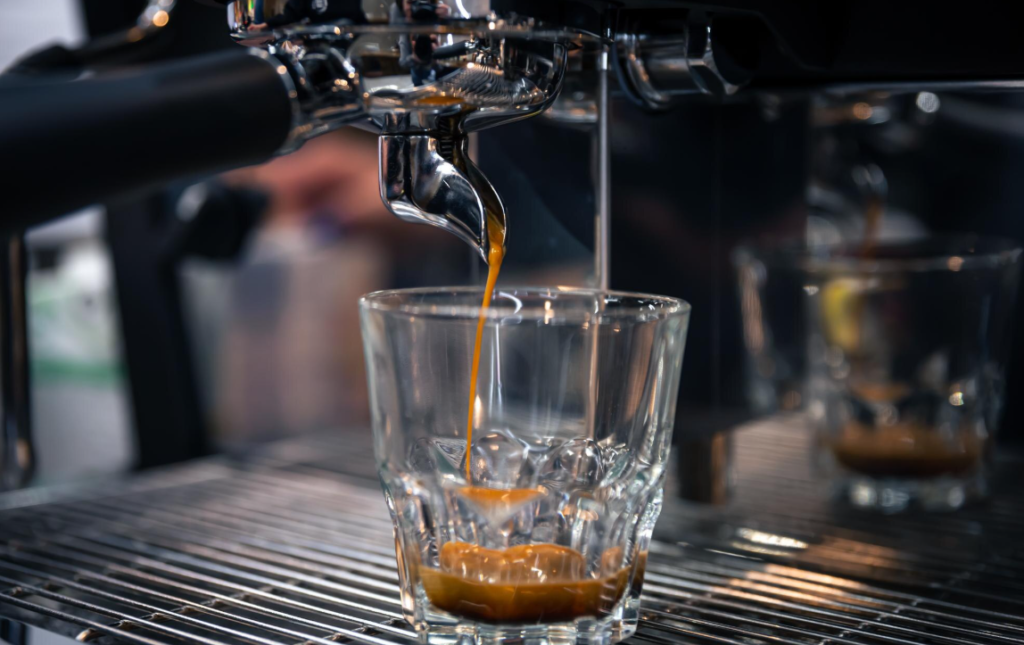
A handcrafted espresso drink made with properly rested, freshly roasted beans tastes different in every meaningful way from one made with stale, mass-produced coffee, and that difference is immediately noticeable in the cup. Whether you are stopping in for a quick coffee near me on your way through the Mission or sitting down for the all-day brunch experience with seasonal ingredients and a full menu, the coffee program at Doppio reflects what good beans, used at the right time, actually taste like. Takeout is available for busy mornings, and the quality of a well-made coffee drink holds well in a sealed cup if you are heading out quickly.
For anyone who cares about their daily coffee, whether they are making it at home or choosing between SF brunch spots and specialty coffee shops in SF, understanding freshness is the foundation of everything else. Grind size, water temperature, brew ratio, and technique all matter, but none of them can rescue a cup built on stale beans. Start with fresh, find your roast date, use the beans within their peak window, and grind just before brewing. Those four habits, applied consistently, will produce better coffee than any machine upgrade or brewing gadget ever will.