How Avocado Toast Became a Cultural Icon
There are foods that feed people, and then there are foods that become something bigger than a meal. Avocado toast belongs to the second category. It is a simple dish at its core: ripe avocado spread or mashed onto a piece of toast, usually seasoned with salt, lemon, and something on top. That description makes it sound unremarkable, like something you would eat standing at the kitchen counter on a Tuesday morning without thinking about it.
But at some point in the last decade, avocado toast became a cultural shorthand, a symbol, a conversation starter, a generational marker, and one of the most photographed plates of food in the history of social media. It also became one of the defining dishes of modern brunch culture, particularly in cities like San Francisco where Bay Area food values and the rise of the brunch-as-lifestyle movement came together at exactly the right moment to give it a platform.
The History Before the Hype
Avocado on toast is not a millennial invention, even though the cultural conversation around it tends to suggest otherwise. Avocados have been cultivated and eaten for thousands of years, originating in Mesoamerica where they were a dietary staple long before European contact. Guacamole, the most famous avocado preparation, dates back to the Aztec period. The practice of putting avocado on bread in some form is similarly old in cultures where both ingredients were available.
In the modern restaurant context, the dish most often credited with starting the avocado toast movement as we know it today appeared on the menu at a cafe in Sydney, Australia in the early 1990s. Bill Granger, an Australian chef and restaurateur, has been widely attributed with putting smashed avocado on toast as a menu item and helping to establish it as a brunch dish rather than just a home kitchen habit. From Sydney, the idea traveled through cafe culture networks, landing in London, New York, and eventually spreading through the entire English-speaking cafe world over the following two decades.
California, and San Francisco specifically, was a natural landing zone for the dish because of the state’s long relationship with avocados. California grows the majority of avocados consumed in the United States, with the Hass variety, which is the rich, creamy variety used in most toast preparations, originating from a single tree in La Habra Heights, California in the 1920s. The state’s farmers markets, health food culture, and proximity to the growing regions meant that avocados were already deeply embedded in California food life long before they became a menu item at every San Francisco restaurant and Bay Area brunch spot.
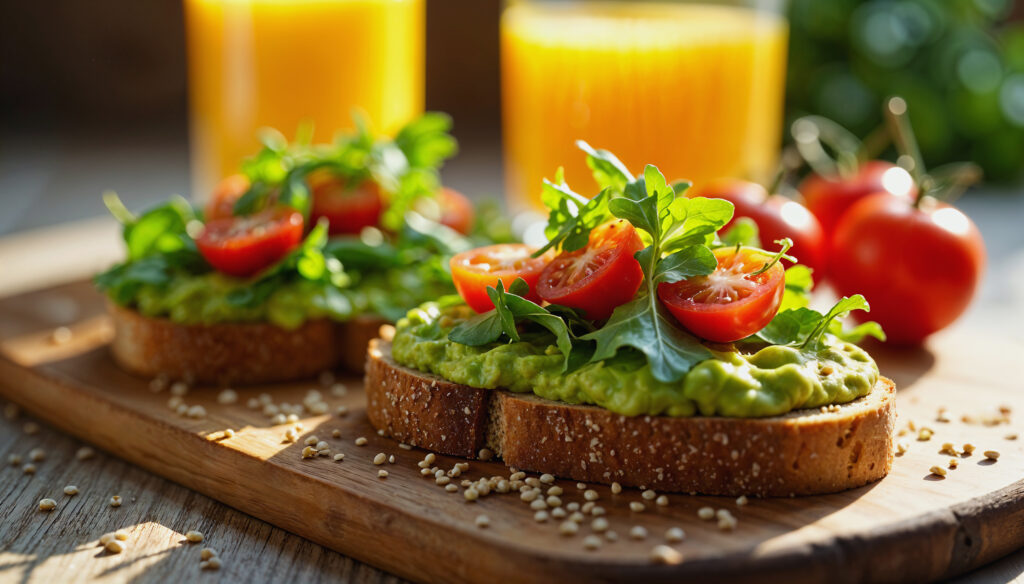
The Bay Area food scene in particular had developed a culture of ingredient-focused cooking that made avocado toast feel native rather than imported. The philosophy of highlighting a single great ingredient on good bread with minimal fuss is very much in line with the farm-to-table thinking that Northern California helped establish in the food world. When avocado toast arrived as a cafe menu item, it slotted naturally into a food culture that already understood and valued exactly what the dish represented.
The Social Media Acceleration
The cultural explosion of avocado toast did not happen gradually. It accelerated dramatically in the early 2010s when Instagram began reshaping how people related to food. This needs to be understood as a specific mechanism, not just a vague claim about social media influence. Instagram created a global visual food conversation for the first time, and avocado toast was almost perfectly designed for it.
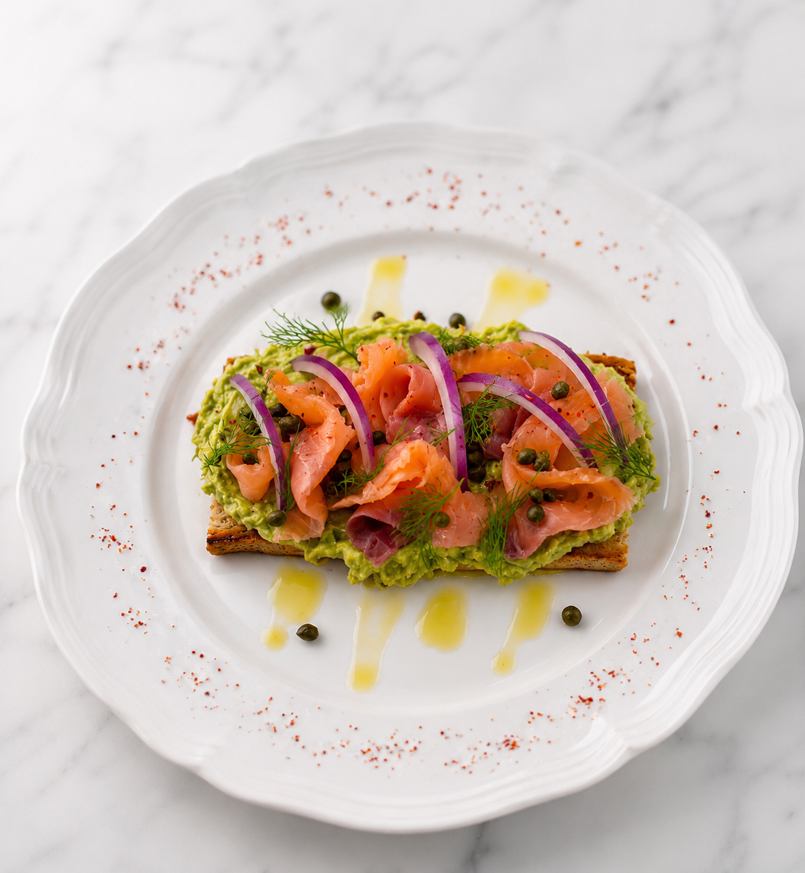
The dish is visually distinctive. The contrast between the pale green of the avocado and a surface of toasted bread, often topped with something bright, whether red chili flakes, cherry tomatoes, a soft egg yolk, microgreens, or pickled onion, produces an image that reads clearly and attractively on a small screen. The top-down food photography style that became dominant on Instagram in the early 2010s worked particularly well for plated dishes like this, and avocado toast was one of the most consistently photogenic items a cafe could put on a table.
San Francisco and the Bay Area were early and enthusiastic participants in this visual food culture. The concentration of creative professionals, tech workers with disposable income, and food-curious people in the city made SF brunch spots some of the earliest places in the country where people were photographing their meals systematically and sharing them publicly. The best cafes in the Bay Area adapted to this quickly, investing in better plating, better natural light in their dining rooms, and menu items that looked as good as they tasted. Avocado toast sat at the center of all of that.
The dish also photographed differently at every cafe. The bread changed: sourdough, multigrain, rye, seeded, gluten-free. The avocado preparation changed: smooth and spreadable, roughly smashed, thinly sliced and fanned. The toppings changed endlessly: poached eggs, smoked salmon, prosciutto, dukkah, sesame seeds, za’atar, radish slices, edible flowers, everything. Each variation gave cafes and home cooks a new version to post, which meant the dish stayed perpetually visible without ever becoming exactly the same thing twice. This variety-within-consistency gave avocado toast a visual longevity that most food trends do not achieve.
The cultural backlash came, as it does for anything that reaches this level of saturation. In 2017, a famous quote from an Australian millionaire suggesting that young people could afford houses if they stopped buying avocado toast became a worldwide news story and cultural flashpoint. The quote was reductive and widely criticized, but it also cemented avocado toast as a genuine cultural symbol rather than just a food trend. When a dish becomes a proxy for a generational debate about economics, lifestyle, and values, it has achieved a kind of cultural weight that very few foods ever reach. Rather than killing the dish’s popularity, the controversy kept it in the conversation and gave it additional layers of meaning.
What Avocado Toast Actually Represents in Food Culture
Beyond the memes and the generational debate, avocado toast represents something real about how food values shifted in the 2010s, and those shifts are still shaping what the best brunch places in the Bay Area and across San Francisco put on their menus.
The dish embodies a set of priorities that a generation of diners came to hold. It is made from a whole food ingredient rather than a processed one. It is plant-forward. It is healthy in a way that can be explained simply: good fats, fiber, vitamins, and minerals from the avocado; carbohydrates and minerals from the bread. It is satisfying enough to constitute a meal but light enough to avoid the heavy post-meal feeling that a lot of traditional brunch food produces. It is versatile and customizable in ways that accommodate almost every dietary preference or restriction. And it is affordable as a home preparation while being something that cafes can execute beautifully with the right ingredients and presentation.
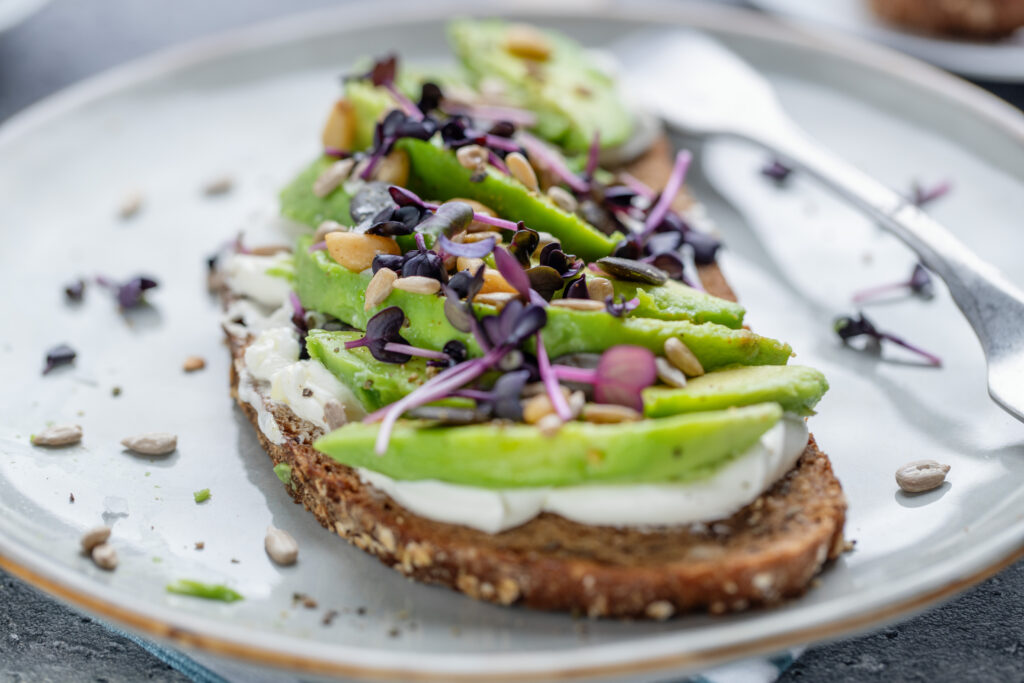
This combination of health consciousness, ingredient quality, visual appeal, and flexibility made avocado toast the ideal dish for a food culture that was simultaneously becoming more health-aware, more photographically engaged, more interested in plant-based options, and more willing to spend money on a meal that felt both good for the body and good for the feed. The San Francisco food scene, with its long history of valuing these exact qualities, was the ideal environment for the dish to become embedded as a permanent fixture rather than a passing fad.
The nutrition conversation around avocados also helped sustain the dish’s relevance. As dietary science moved away from a low-fat dogma toward a more nuanced understanding of fats, avocados became a poster ingredient for the shift. The monounsaturated fats in avocado, primarily oleic acid, the same fatty acid found in olive oil, are associated with heart health, reduced inflammation, and better cholesterol profiles. Avocados are also high in potassium, containing more per serving than bananas, and are a solid source of dietary fiber, folate, and vitamins K, C, B5, and B6. When a dish that happens to be delicious also turns out to be genuinely nutritious, it has a staying power that purely trend-driven foods do not.
At Doppio Coffee & Brunch on Mission St in San Francisco, the all-day brunch menu reflects this understanding of what people actually want from their food. Seasonal ingredients drive the menu, and a dish like avocado toast at a place this thoughtful is built with care: good bread, ripe avocado, proper seasoning, toppings that add flavor and texture rather than just visual appeal.
Paired with a handcrafted espresso drink made with Lavazza beans, eaten in the cozy stylish interior on Mission St, it is the kind of brunch experience that reminds you why this dish earned its cultural status in the first place. Takeout is available for mornings when you need to keep moving, and a well-made avocado toast travels reasonably well if it is packaged thoughtfully.
For anyone building a Bay Area foodie guide, looking for the best brunch in San Francisco, or simply trying to understand why certain foods become more than just food, avocado toast is one of the most instructive examples of the last twenty years. It arrived at the right time, in the right food culture, on the right plates, and got photographed by the right people. It connected with real values that a lot of people genuinely hold about food, health, and how they want to eat.
And it turned out, beyond all the cultural noise, to just be really good. That combination is rare, and it is why you can walk into almost any San Francisco restaurant or SF brunch spot today and still find avocado toast on the menu, made with as much care as anything else in the kitchen.