Cappuccino and Latte: Key Differences
If you have ever stood at a cafe counter and felt unsure about the difference between a cappuccino and a latte, you are not alone. Both drinks are built on espresso and steamed milk. Both are warm, creamy, and satisfying. Both show up on the menu at every specialty coffee shop in SF worth visiting. But they are genuinely different drinks, and once you understand what separates them, ordering becomes a lot more intentional. You stop defaulting to what sounds familiar and start choosing based on what you actually want from the cup in front of you.
San Francisco has a coffee culture that takes these distinctions seriously. At the best cafes in the Bay Area, the ratio of espresso to milk, the texture of the foam, and the size of the drink are not arbitrary. They are deliberate choices that shape the flavor, the mouthfeel, and the overall experience. Whether you are settling into a cozy corner at a Mission District café or grabbing something to go before heading into the city, knowing what you are ordering makes the moment better. This guide breaks down everything that separates a cappuccino from a latte so you can order with confidence every single time.
The Basic Anatomy of Each Drink
A cappuccino is traditionally made with equal parts espresso, steamed milk, and milk foam. A standard cappuccino is a smaller drink, usually six to eight ounces total, which means the espresso flavor is more pronounced because there is less milk diluting it. The foam on top is thick and dry in a traditional Italian-style cappuccino, or velvety and microfoam-textured in the style most specialty espresso bars in SF use today. Either way, the foam is a real structural element of the drink, not just decoration.
A latte, short for caffè latte, uses the same espresso base but significantly more steamed milk and only a thin layer of foam on top. A standard latte is usually eight to twelve ounces or more, and the larger milk volume makes the drink taste creamier and more mellow.
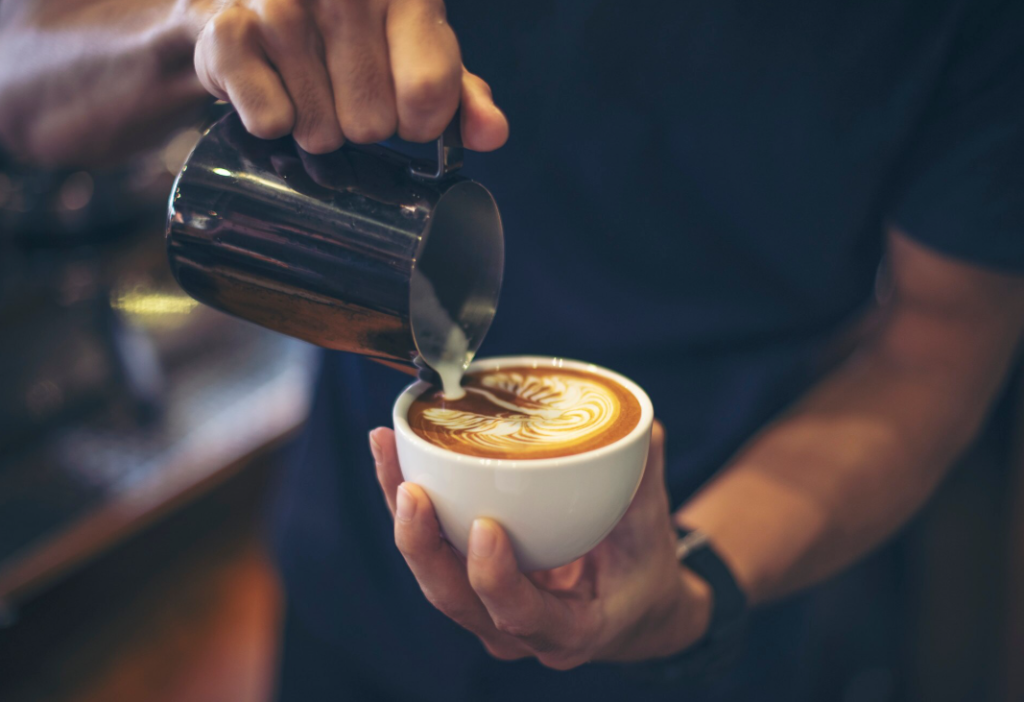
The espresso is still there, but it is softer and more integrated into the milk rather than sitting upfront the way it does in a cappuccino. The foam in a latte is minimal, typically just a thin layer across the surface, which is where premium latte art in San Francisco comes in. That thin layer of smooth microfoam is the perfect canvas for a barista to pour a rosette, a tulip, or a heart.
Here is a simple side-by-side comparison of the two drinks:
- Cappuccino: equal thirds of espresso, steamed milk, and foam, smaller volume, stronger espresso presence
- Latte: espresso with a much larger proportion of steamed milk, thin foam layer, creamier and more mellow
- Cappuccino foam: thick or velvety, a significant part of the drinking experience
- Latte foam: thin and smooth, primarily a surface for latte art
- Cappuccino size: typically 6 to 8 ounces
- Latte size: typically 8 to 12 ounces or larger
- Cappuccino flavor: bold, espresso-forward, the coffee cuts through the milk clearly
- Latte flavor: smooth, creamy, coffee-present but softened by the larger milk volume
Why the Milk Ratio Changes Everything
The milk ratio is the single biggest factor that makes these two drinks feel so different to drink. It is not just about volume. It is about how milk interacts with espresso at different proportions and what that does to the flavor.
Espresso on its own is intense, concentrated, and complex. It has acidity, bitterness, sweetness, and depth all packed into a small amount of liquid. When you add milk, the fat in the milk binds to some of the bitter and acidic compounds in the espresso and softens them. The more milk you add, the more pronounced that softening effect becomes. A cappuccino, with its smaller milk volume, softens the espresso just enough to make it approachable while still letting the coffee character come through clearly. A latte, with significantly more milk, integrates the espresso into a creamier, more uniform flavor that feels gentle from start to finish.
This is why people who love the taste of coffee itself often prefer cappuccinos. The espresso is the focus, and the milk enhances rather than overwhelms it. People who prefer a milder, creamier drink often gravitate toward lattes because the coffee flavor is present but not assertive. Neither preference is wrong. They just reflect different ways of enjoying what good espresso can do when paired with properly steamed milk.
The quality of that milk steaming matters enormously in both drinks. At artisan coffee shops in the Bay Area and the best cafes in the Bay Area generally, properly steamed milk means microfoam with a silky, velvety texture that integrates smoothly with the espresso rather than sitting on top of it in a disconnected way. Oversteamed milk with large bubbles creates a grainy texture that feels airy rather than creamy. Scorched milk, heated past around 155 degrees, loses its natural sweetness and takes on a flat, slightly burned taste. A well-trained barista knows how to avoid both of these outcomes, and the difference is immediately noticeable in how the drink tastes and feels.
Ordering Tips and Variations Worth Knowing
Once you understand the core difference, a few additional details help you order exactly what you want at any specialty coffee San Francisco spot or café near me you visit.
If you want a cappuccino but find the traditional version too small or too foam-heavy, ask for a wet cappuccino. This uses more steamed milk and less foam than the traditional ratio, which gives you a slightly larger, creamier drink that still leans more espresso-forward than a latte. A dry cappuccino goes the other direction, using more foam and less steamed milk, which makes the drink lighter in texture and stronger in flavor. Understanding this range gives you a lot of flexibility within the cappuccino category alone.
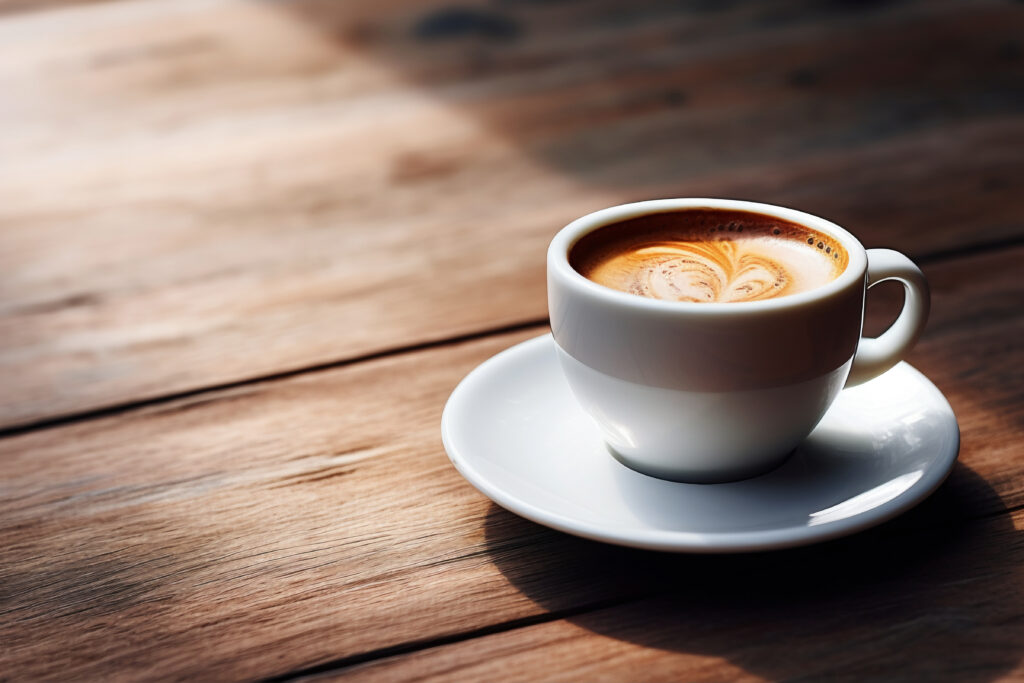
For lattes, size and milk type are the two main variables. Larger lattes use the same amount of espresso, typically one or two shots, with more milk, which dilutes the coffee flavor further. If you want more coffee presence in a latte, ask for an extra shot rather than ordering a smaller size. The extra espresso brings the coffee back into balance with the larger milk volume. On the milk side, oat milk has become the most popular alternative at top-rated coffee shops in SF for good reason. It steams smoothly, produces a texture close to whole milk, and has a mild, slightly sweet flavor that works beautifully in lattes.
A few tips for getting the most out of either drink:
- Try a cappuccino with a single origin espresso if available, because the smaller milk volume lets the bean’s individual character come through more clearly
- Ask for your latte with one extra shot if you find standard lattes too mild for your taste
- Request less foam on a cappuccino if you prefer a smoother drinking experience
- Try both drinks made with oat milk at least once, since the texture difference from dairy is minimal and the flavor pairing works very well with most espresso blends
- Taste the espresso on its own before you try the finished drink if the café offers a sip, because it helps you understand how the milk is changing the flavor
Both the cappuccino and the latte deserve to be made well, and in a city with San Francisco’s coffee culture, there are plenty of places that do exactly that. At Doppio Coffee & Brunch on Mission St, the espresso is made using Lavazza, which provides a smooth, consistent base that works beautifully in both drinks.
The handcrafted espresso drinks there reflect genuine attention to ratios, milk texture, and drink balance, and the cozy, stylish interior makes it a comfortable place to sit, order, and actually enjoy what is in front of you. The all-day brunch menu built around seasonal ingredients gives you something excellent to eat alongside your coffee, whether you are coming in for a Saturday morning with friends or a quiet weekday solo session.
San Francisco food and coffee culture rewards curiosity, and the cappuccino versus latte conversation is a good starting point for anyone who wants to drink coffee more intentionally. Once you know what you are choosing between and why it matters, every order becomes a more deliberate and more satisfying decision. And in a city full of great cafés to explore, that kind of awareness only adds to the experience.