Different Types of Coffee
Walk into any cafe on Mission St in San Francisco on a Tuesday morning and look around. Someone at the window is nursing a cold brew. A couple near the back share a pot of pour-over. A person in line orders a flat white without looking up from their phone. The person right behind them asks for a cortado. Four people, four completely different drinks, all technically coffee.
If you have ever felt even slightly confused by how many options exist when you just want a good cup, you are in good company. Coffee is one of the most diverse drink categories in the world, and San Francisco has become one of the best cities to experience that full range.
This is a guide for anyone who wants to actually understand what they are ordering, what separates one coffee drink from another, and how to find what genuinely suits their taste. No gatekeeping, no complexity. Just clear, honest information about the types of coffee you will find at the best cafes in the Bay Area and what makes each one worth trying.
Bean First, Drink Second
Before getting into the drinks themselves, it helps to understand that coffee starts long before it hits your cup. The bean, the roast, and the brewing method all shape the final flavor in ways that matter more than most people realize when they are just trying to find a good cafe near me on a busy morning.
There are two main types of coffee beans used commercially: Arabica and Robusta. Arabica beans are grown at higher altitudes, have a more complex flavor profile, and tend toward sweetness, fruit, and brightness. Robusta beans grow faster and lower, contain more caffeine, and have a stronger, more bitter taste. Specialty coffee shops in SF and most artisan coffee Bay Area roasters work almost exclusively with Arabica because of the flavor range it offers. Robusta shows up more in commercial blends and some espresso blends where its dense crema and caffeine kick are valued.
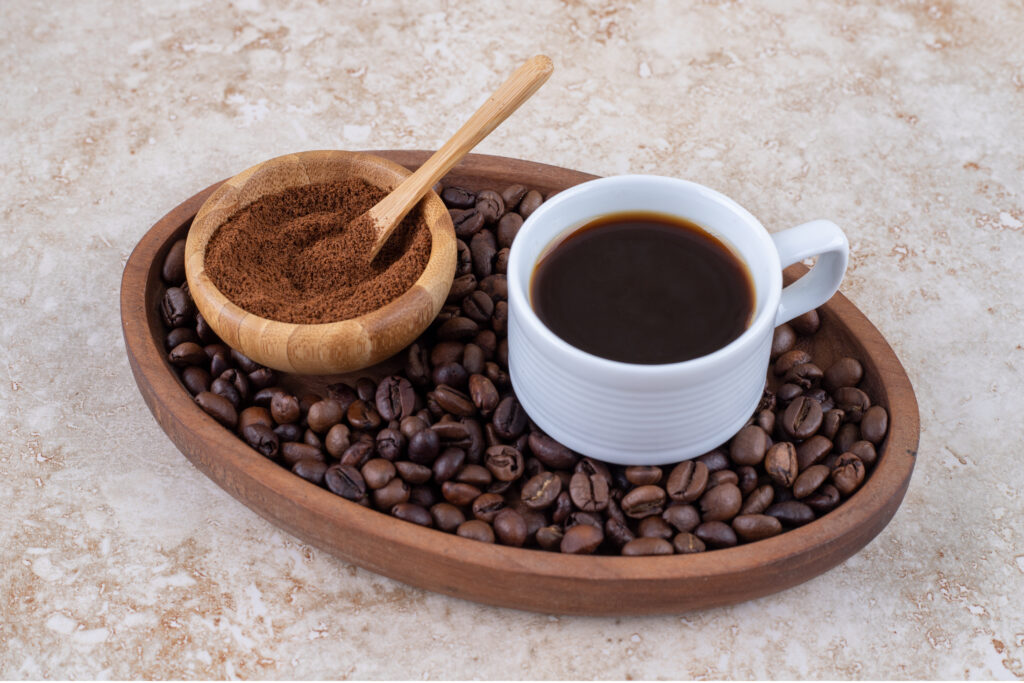
Roast level sits on top of that. Light roasts keep more of the bean’s original character, often with fruity, floral, or tea-like notes. Medium roasts develop more sweetness and body while smoothing out some of the sharper acidity. Dark roasts go further into caramelization, producing bold, smoky, chocolatey flavors with lower acidity and a heavy body. None of these is objectively better. They suit different tastes and different brewing methods, which is why you see different roasts used for different drinks at a good specialty coffee San Francisco cafe.
The Main Types of Coffee You Will Actually Encounter
Espresso is the foundation of most cafe drinks, and it is worth understanding well because almost everything else builds on it. Espresso is made by forcing hot water through very finely ground coffee under high pressure in a short amount of time. The result is a small, concentrated shot with a rich body, complex flavor, and a layer of golden crema on top. At Doppio Coffee & Brunch on Mission St, the espresso base is made with Lavazza beans, which are known for their smooth intensity and consistent quality. A well-pulled espresso shot should be slightly sweet, rounded, and bold without tipping into harshness.
A lungo is a longer espresso, made with more water pulled through the same amount of grounds. It is less concentrated than a standard espresso but still rich and full-flavored, sitting somewhere between espresso and Americano in character.
An Americano takes that espresso base and adds hot water to create a longer, lighter drink. The caffeine content stays the same, but the flavor becomes more open and less concentrated. It is a good match for people who enjoy the flavor of espresso but want to sip slowly rather than drink something small and intense.
Cold brew, on the other hand, is made by steeping coarsely ground coffee in cold water for 12 to 24 hours. No heat is used at all, which produces a drink that is smooth, naturally sweet, and very low in acidity. Cold brew has become a staple at the best breakfast restaurants in SF and across Bay Area eats culture because it is easy to drink, highly caffeinated, and works well over ice in any weather.
Pour-over is a filter method where hot water is poured slowly and steadily over medium-coarse grounds in a paper or metal filter. The water drips through and produces a clean, clear cup with pronounced flavor complexity. Pour-over is particularly good for highlighting the character of single-origin beans, and many top-rated coffee shops in SF for latte art and quality also maintain a serious pour-over program because it shows what a skilled barista can do with good beans and attention to detail.
French press is an immersion method where grounds steep in hot water for several minutes before a metal plunger separates them from the liquid. The result is a full-bodied, textured cup with more oils and depth than filtered methods. It is less clean in the cup but more robust, and people who love a hearty, weighty coffee tend to gravitate toward it.
Drip coffee, also called filter or batch brew, is what most people grew up drinking. Coffee grounds sit in a filter basket, hot water drips through, and the brewed coffee collects below. Modern batch brew at quality cafes uses precision equipment that controls water temperature and flow rate carefully, producing a consistent, clean cup that is better than what most people make at home.
Milk-Based Coffee Drinks and Where They Differ
This is where the variety in a cafe menu really opens up, and where many people feel lost when they are searching for brunch near me in San Francisco and trying to figure out what to order alongside their food.
A latte is the gentlest of the espresso-milk drinks. It uses one or two shots of espresso and a generous amount of steamed milk, topped with a thin layer of microfoam. The result is smooth, mild, and slightly sweet from the natural sugars in the milk. Lattes are popular across all demographics and pair well with almost any food. At an Instagram-worthy cafe spot in SF, a latte is also the drink most commonly used for latte art because the larger surface area of microfoam gives baristas room to work.
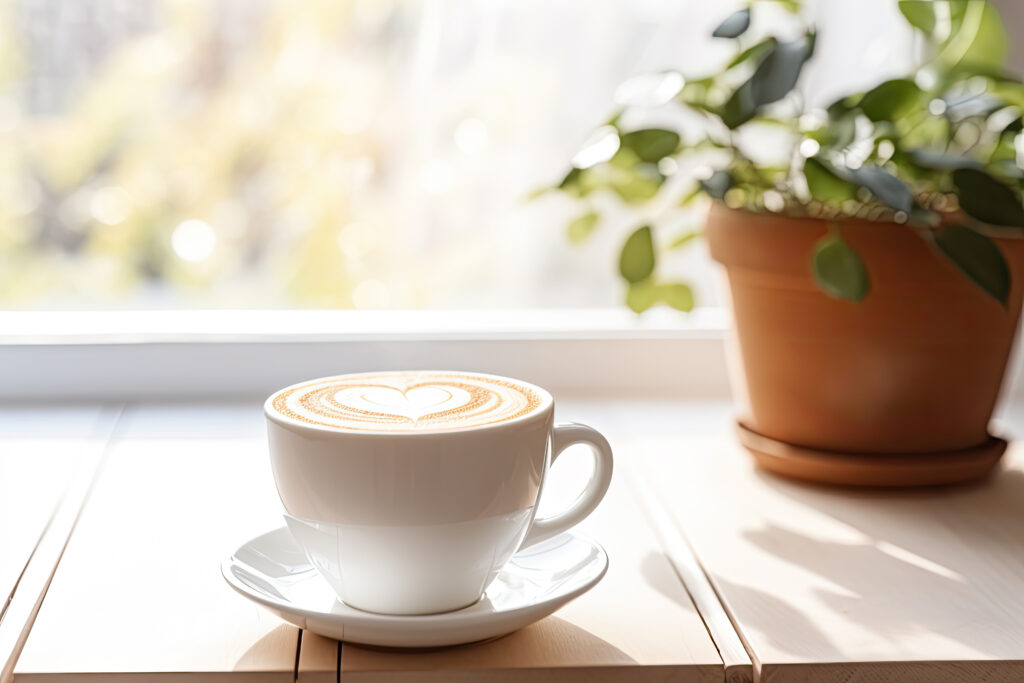
A cappuccino uses the same espresso base but a different milk ratio. Equal parts espresso, steamed milk, and thick foam produce a drink that is bolder than a latte and lighter in texture, with a more prominent coffee flavor. Traditional Italian cappuccinos are quite small. Modern interpretations at specialty espresso bars in SF are often slightly larger but maintain that ratio of espresso to foam.
A flat white sits between a cappuccino and a latte. It uses a double shot of espresso and a smaller volume of silky, dense microfoam. The milk is steamed to a finer, more velvety texture than in a latte, and the result is a drink that feels rich and smooth but lets the espresso come through more clearly. Flat whites are popular at gourmet brunch in SF spots and with people who want something stronger than a latte without the foam-forward character of a cappuccino.
A cortado is equal parts espresso and steamed milk, served in a small glass. It is one of the more coffee-forward drinks on any menu and suits people who want to taste the espresso clearly with just enough milk to soften the edge. Macchiatos in their traditional form are even simpler, just espresso with a small dot of foam on top, though many cafes now use the word loosely to mean a layered milk drink, so it is worth asking.
How Coffee Fits Into the Full Brunch Experience
Coffee is rarely just a drink at a brunch table. It is the thing people hold onto while they wait for their food, sip between bites, and linger over when the meal is done. It sets the pace of the whole morning. At a place like Doppio Coffee & Brunch on Mission St in San Francisco, that relationship between coffee and food is taken seriously. The all-day brunch menu is built around seasonal ingredients that change as the year moves, and the handcrafted espresso drinks made with Lavazza beans are designed to complement that food rather than compete with it.
The cozy stylish interior creates a setting where you actually want to slow down, whether you are there alone with a laptop and a pour-over, meeting friends for a full brunch, or grabbing a takeout order of coffee and something to eat on your way through the Mission. Takeout is available for days when you need to keep moving, and the quality translates well whether you eat in or take it with you.
For anyone building their own Bay Area foodie guide or trying to get more out of their daily coffee routine, understanding the differences between types of coffee makes every order more intentional. The next time you are searching for the best coffee in San Francisco or looking for trending SF brunch places to add to your list, let your coffee order be as considered as your food. A great cup chosen with knowledge and a great plate made with care are together what the best San Francisco brunch experience really comes down to.