
Health Benefits of Matcha
You ordered a matcha latte once, maybe on a whim, maybe because everyone around you was drinking something green and you got curious. And then something happened. You felt good. Not wired and jittery the way a double espresso sometimes leaves you, but clear and calm and actually present for the next few hours. If that sounds familiar, you already know firsthand what matcha does, even if you did not know why it happened. And if you have never tried it, that experience is waiting for you at any good SF cafe or San Francisco brunch spot that takes its drinks seriously.
Matcha has been part of Japanese culture for centuries. Buddhist monks drank it before long meditation sessions because it helped them stay focused without feeling restless. Tea ceremonies built around matcha became a cornerstone of Japanese tradition, not just as a beverage ritual but as a practice of mindfulness and presence. Fast forward to today and you will find matcha lattes on the menu at the best cafes in the Bay Area, ordered by people who have no idea about its history but are drawn to how it makes them feel. That gap between experience and knowledge is exactly what this guide fills in.
What Matcha Actually Is
Most people think of matcha as a type of tea, and that is correct, but the specifics matter. Matcha comes from the same plant as regular green tea, Camellia sinensis, but the way it is grown and processed is completely different. Weeks before harvest, the plants are covered with shade cloth to block most of the sunlight. This stresses the plant and causes it to produce more chlorophyll, more L-theanine, and deeper, more complex flavor compounds. The leaves that grow under these conditions are a darker, more intense green than normal tea leaves, and they are picked by hand at peak maturity.
After picking, the leaves are steamed to stop oxidation, dried, and then ground into an extremely fine powder using stone mills. The grinding process is slow and careful because heat from friction can damage the compounds in the leaf. The result is a vivid, bright green powder that, when whisked with hot water, dissolves into the liquid rather than steeping in it. This is the key difference between matcha and every other tea.
When you drink matcha, you are consuming the whole ground leaf. Every compound in that leaf goes into your cup, which is why the concentration of antioxidants, amino acids, and other active compounds in matcha is so much higher than in a standard cup of green tea.
The Real Health Benefits
Talk about health benefits can get complicated fast, so here is what actually matters about matcha in plain language.
The antioxidant content is extraordinary. Matcha is particularly rich in a group of antioxidants called catechins, and the most potent of these is EGCG, or epigallocatechin gallate. This compound has been studied extensively and is associated with reduced oxidative stress in the body, which matters because oxidative stress is linked to aging, inflammation, and a wide range of chronic health conditions.
Because matcha involves consuming the whole leaf rather than just steeping it, the concentration of EGCG in a single serving of matcha is significantly higher than in brewed green tea. For anyone visiting SF foodie spots and Bay Area brunch places who is trying to eat and drink with some intention, this is one of the most efficient antioxidant sources available.
The energy experience is different from coffee, and understanding why explains a lot. Matcha contains caffeine, typically between 30 and 70 milligrams per serving depending on the grade and preparation. That is less than a standard espresso but enough to be felt. What makes it feel different is L-theanine, the amino acid produced in high amounts by shade-grown tea plants. L-theanine promotes alpha brain wave activity, which is the brain state associated with calm focus.
When you combine that with caffeine, you get mental clarity and alertness without the racing thoughts, elevated heart rate, or energy crash that some people experience with coffee. This is not a placebo effect or wellness marketing. It is documented in multiple studies on cognitive performance and mood.
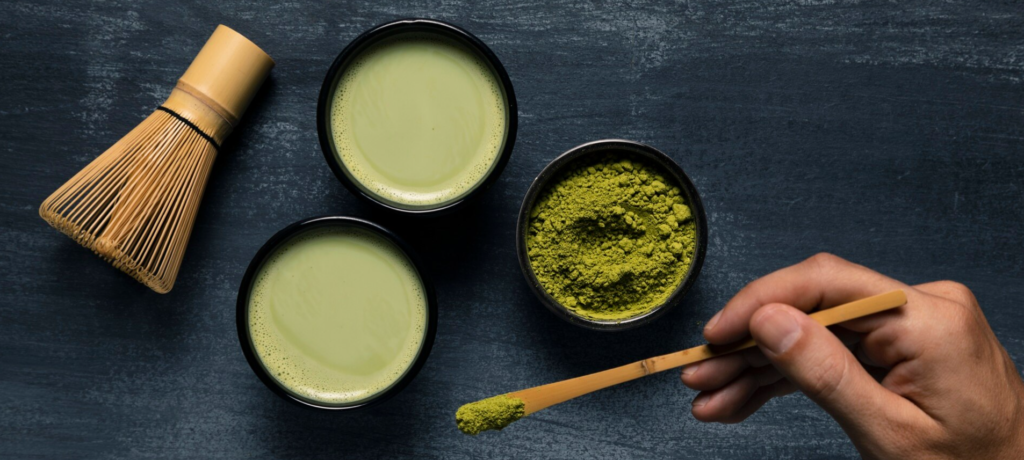
For people who love the ritual of a morning hot drink but find coffee too intense, or who want something to reach for in the afternoon without compromising sleep later, matcha fits naturally into both of those moments.
The anti-inflammatory properties of matcha are tied directly to its antioxidant load. Chronic, low-grade inflammation is one of the most common underlying factors in a range of health issues, and diets rich in polyphenols, the category of compounds that includes catechins, are consistently associated with lower markers of inflammation. Drinking matcha regularly is not a treatment for anything, but it contributes positively to an anti-inflammatory diet in a way that is easy and genuinely enjoyable.
Liver and metabolic health have both been studied in relation to green tea catechins. Some research suggests that EGCG supports healthy liver enzyme levels and may help the body process fats more efficiently. Other studies show modest improvements in insulin sensitivity with regular consumption. These are not dramatic effects, but they are meaningful over time for people who are paying attention to their overall health. And when the vehicle for getting those benefits is a beautiful, aromatic matcha latte at a cozy San Francisco cafe, the whole thing becomes much easier to maintain as a habit.
Here is a clean reference list of the core benefits:
- High antioxidant content from EGCG and other catechins that protect cells from oxidative damage
- Calm, sustained focus through the combined effect of caffeine and L-theanine
- No jitters or crash making it a smoother energy experience than coffee for many people
- Anti-inflammatory support from the polyphenol concentration in the whole-leaf powder
- Metabolic support through catechins that may improve fat oxidation and insulin sensitivity
- Stress reduction from L-theanine’s effect on cortisol and alpha brain wave activity
- Liver support suggested by research on green tea catechins and enzyme function
- Rich chlorophyll content from the shading process, associated with detoxification support
Matcha in the Context of San Francisco Food Culture
San Francisco has always been a city that takes ingredients seriously. Bay Area food culture has a long history of embracing things that are both pleasurable and purposeful, local produce, seasonal menus, honest cooking, drinks that do something good for you while also tasting great. Matcha fits into that culture naturally, which is part of why it has moved so firmly from novelty to staple across the best cafes and brunch spots in the city.
You will find matcha lattes on the menu at trending SF brunch places, specialty coffee shops, gourmet brunch spots, and hidden coffee shops in SF you might only discover by walking down a side street and following the aroma. The quality varies, as it does with anything. Ceremonial grade matcha, which is the highest quality and made from the youngest, most tender leaves, produces the best flavor and the highest compound concentration. Culinary grade matcha works fine in baked goods and smoothies but can taste slightly grassy or flat as a straight latte. A good SF cafe that takes its matcha seriously will tell you what grade they use and how it is prepared.
At Doppio Coffee & Brunch on Mission St, the drinks menu reflects the same philosophy as the all-day brunch food menu: use quality ingredients, prepare them with care, and let the result speak for itself. Lavazza espresso anchors the coffee side, seasonal ingredients shape the food, and drinks like matcha lattes are made with the same attention that goes into everything else.
The cozy stylish interior on Mission St makes it the kind of place where sitting with a warm matcha latte for an hour feels completely right, whether you are catching up with someone, working quietly in the corner, or just taking a morning for yourself. Takeout is available too, so if your morning is moving fast, the quality travels with you.
A few practical tips for getting the most out of matcha, wherever you drink it:
- Matcha should be whisked with water that is around 175 degrees Fahrenheit, not boiling. Boiling water damages some of the heat-sensitive compounds and makes the matcha taste bitter rather than smooth and slightly sweet.
- Sifting the powder before whisking prevents clumping and produces a smoother, more evenly mixed drink. This small step makes a noticeable difference in texture.
- If you are sensitive to caffeine, matcha is a much gentler option than espresso but still provides enough stimulation to support focus and energy. It is one of the better afternoon drink choices for people who want to stay productive without affecting sleep later.
- Quality grade matters more with matcha than with almost any other cafe ingredient. A vibrant, vivid green color is a reliable indicator of freshness and quality. Dull or yellowish matcha has often been sitting on a shelf too long and will taste flat.
Matcha and brunch food are natural companions. The slightly grassy, umami-edged flavor of matcha works well alongside sweet dishes like pancakes and pastries, and it holds up surprisingly well next to savory plates too. The next time you are exploring SF brunch spots or looking for the best cafes in the Bay Area for a weekend morning, consider making matcha your drink of choice. Your body will feel the difference, and so will your afternoon.