
Smart Ways Cafes Reduce Waste
Every morning, thousands of people walk into a cafe, order a coffee, eat something good, and walk out without thinking about what gets thrown away in the process. Used coffee grounds. Milk cartons. Food that did not sell before closing. Packaging from deliveries. Cups, lids, napkins, stirrers. The volume of waste a busy cafe generates in a single day is genuinely surprising when you add it all up, and across a city like San Francisco, where Bay Area food culture takes environmental responsibility seriously, that number matters.
The good news is that the most thoughtful cafes are not ignoring this. They are solving it, sometimes quietly and sometimes in ways that have become real differentiators in how customers choose where to eat and drink. Sustainable practices in the cafe industry have moved from niche concern to genuine expectation, particularly in cities like SF where diners are informed, values-driven, and paying attention to more than just what is on the plate. This guide explores the smartest ways cafes reduce waste, why those practices matter, and what they actually look like in real operations.
Where Cafe Waste Actually Comes From
Before getting into the solutions, it helps to understand the problem clearly. Cafe waste does not all look the same, and tackling it effectively means knowing where it originates.
Food waste is the largest category and the most complex to address. In a brunch-focused San Francisco restaurant or all-day cafe, food waste comes from over-ordering ingredients that expire before being used, prep waste like vegetable trimmings and fruit peels, dishes that get sent back, and unsold prepared food at the end of the day. The USDA estimates that between 30 and 40 percent of the food supply in the United States is wasted, and cafes and restaurants contribute a significant portion of that figure. For a cafe that uses seasonal ingredients and builds a daily menu around what is fresh, the margin for waste is higher because the ingredients are more perishable.
Packaging waste is the second major category. Single-use cups, lids, straws, cutlery, to-go containers, napkins, condiment packets, and delivery packaging all accumulate at a staggering rate in a busy SF cafe. A single cafe serving takeout coffee can go through hundreds of single-use cups in a morning alone. Most of these are not recyclable in the conventional sense because they are made of paper with a plastic lining, which requires specialized processing that most municipal recycling systems do not handle.
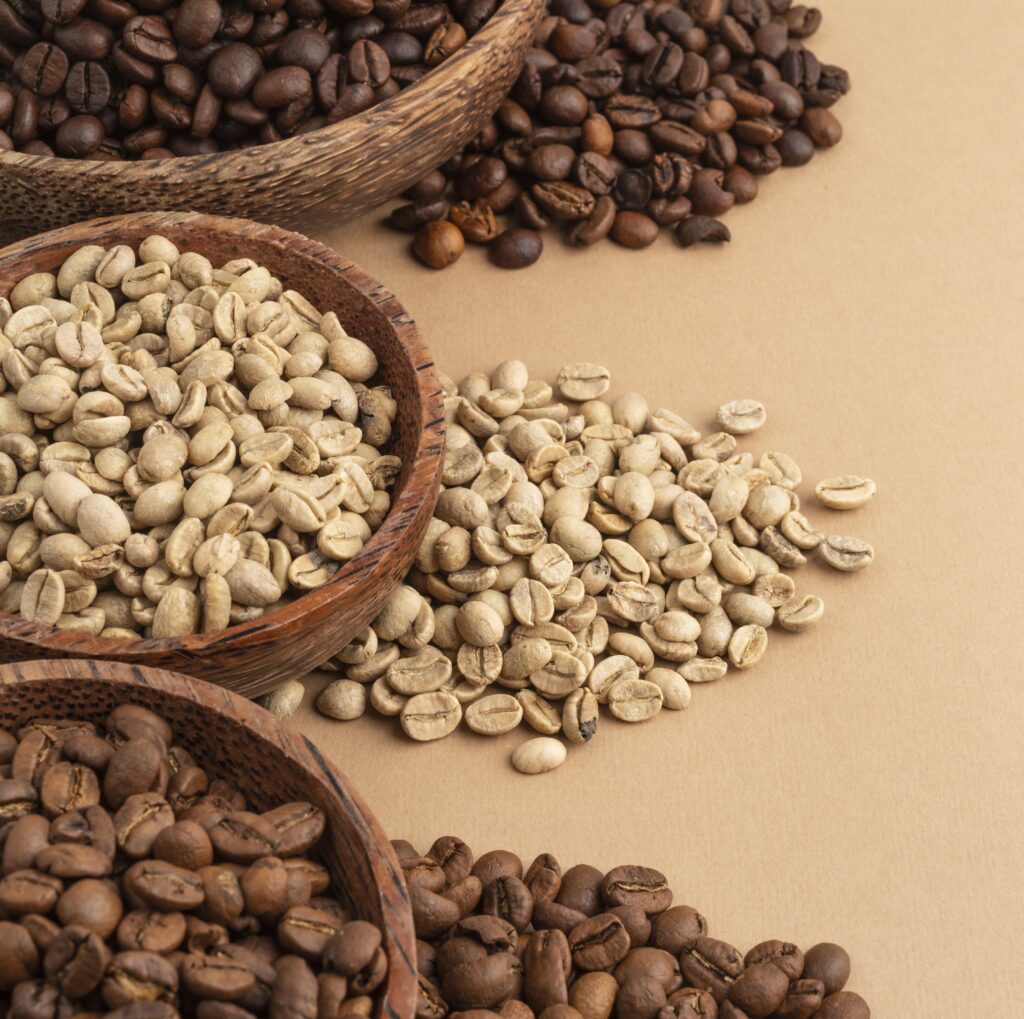
Coffee-specific waste is its own subcategory. Used coffee grounds, milk waste from incorrectly steamed drinks, and espresso machine cleaning water all require thoughtful management. Coffee grounds alone, while biodegradable, represent a significant volume of daily waste at any specialty coffee San Francisco operation that is pulling hundreds of shots a day.
Energy and water waste round out the picture. Espresso machines, commercial dishwashers, refrigeration units, lighting, and heating all draw energy continuously in an operating cafe. Water use in cleaning, steaming milk, and food prep adds up too. The most sustainable cafes think about all of these streams, not just the visible ones.
The Smartest Reduction Strategies Cafes Are Using
The cafes making the most meaningful progress on waste are the ones that approach it systematically rather than symbolically. Swapping plastic straws for paper ones is a start, but the operations that have genuinely reduced their environmental footprint are doing several things at once across food, packaging, and energy.
Seasonal, flexible menus are one of the most powerful waste-reduction tools available, and they produce better food at the same time. When a cafe builds its menu around what is currently in season and available locally, it buys less in total, wastes less because ingredients are fresher and have longer usable lives, and turns over inventory more efficiently. A rigid menu that requires the same ingredients year-round forces kitchens to over-order to buffer against variability, which leads directly to more waste. Menus that shift with the season, the way good Bay Area eats culture has always encouraged, align purchasing with reality and reduce the gap between what is bought and what is actually used.
Whole-ingredient cooking takes this further. A kitchen that uses vegetable trimmings for stocks, bread ends for croutons or breadcrumbs, overripe fruit for syrups or baked goods, and citrus peels for infusions or cleaning products is extracting full value from every purchase. This kind of cooking requires skilled, creative kitchen teams, but it also produces better food because it forces cooks to think about ingredients holistically rather than just using the convenient parts and discarding the rest. The best brunch places in the Bay Area for weekends tend to do this naturally because they are already working with quality seasonal ingredients and do not want to waste them.
Batch cooking and inventory forecasting reduce the gap between what is prepared and what is sold. Cafes that track their sales patterns carefully over time know with reasonable accuracy how much of each dish they will sell on a given day of the week. Using that data to guide prep volumes means less food gets made only to be thrown away at closing. Staff training in portion control reduces plate waste from the other direction, ensuring that what goes out is sized correctly and finished rather than left behind.

Compostable and reusable packaging has become a real focus at the best cafes in the Bay Area and across top San Francisco restaurants. Certified compostable cups and containers, while not perfect, are a meaningful step above conventional single-use packaging when paired with proper commercial composting infrastructure. San Francisco has one of the most robust municipal composting programs in the country, which makes this approach more viable here than in many other cities. Some cafes have taken it further with incentive programs for customers who bring reusable cups, offering discounts or loyalty points that make the behavior financially attractive as well as environmentally beneficial.
Used coffee grounds have become a genuine resource rather than a waste stream at forward-thinking cafes. Partnering with local urban farms, composting programs, or even home gardeners who pick up grounds for their compost bins is common in the SF cafe scene. Coffee grounds are high in nitrogen and make an excellent compost amendment, so redirecting them from landfill to soil is a genuinely circular use. Some cafes have started offering bagged used grounds at the counter for customers to take home, which costs nothing and builds goodwill at the same time.
What This Means for You as a Customer
Knowing how cafes reduce waste gives you better tools for choosing where to spend your money and how to be a more thoughtful participant in the places you visit. A few guide-style tips that any regular cafe visitor in San Francisco will find useful:
Bring a reusable cup when you can. Most good SF cafes will fill it happily and many offer a small discount for doing so. It is one of the simplest things a customer can do, and at a busy specialty coffee shop in SF that serves hundreds of drinks a day, the collective impact of that habit across a customer base is real.
Choose to eat in when you have time. Dine-in service eliminates takeout packaging entirely and often produces a better experience anyway. At a cozy, stylish cafe on Mission St, sitting with a handcrafted espresso drink and a well-made brunch plate is an experience worth having slowly rather than rushing through in a takeout container.
Ask about daily specials. Cafes that manage waste well often create specials around ingredients that need to be used that day. Those specials tend to be creative, fresh, and priced well because the kitchen is motivated to sell them. They are also often the most interesting things on the menu.
At Doppio Coffee & Brunch on Mission St in San Francisco, the all-day brunch menu built on seasonal ingredients reflects a kitchen that thinks about what it is buying, how it is using it, and what it is leaving behind. The awesome aroma that fills the cozy stylish interior is partly the smell of food made with genuine care, and that care extends to how ingredients are sourced, used, and managed. Takeout is available for customers who need it, and the quality of the packaging and the food inside it reflects the same thoughtfulness as the rest of the operation.
Waste reduction in cafes is not a feel-good side project. It is practical, financially smart, and increasingly what customers expect from the best restaurants in San Francisco and across Bay Area foodie spots. The cafes doing it well are producing better food, spending money more wisely, building stronger customer loyalty, and contributing less to a problem that affects everyone. That combination is exactly why smart waste reduction has become one of the defining qualities of the best brunch places in the city.