
The Benefits of a Gluten-Free Diet
Walk into almost any cafe in San Francisco today and you will see gluten-free options sitting right alongside the regular menu. Gluten-free bread, gluten-free pastries, and bowls built around naturally gluten-free grains have become a normal part of eating out. For some people, this way of eating is a medical need. For others, it is a personal choice that helps them feel their best. Either way, understanding what a gluten-free diet is, who it helps, and how to follow it in a balanced way can make everyday meals easier and more enjoyable.
Gluten is a group of proteins found in wheat, barley, and rye. It gives bread its chew and helps dough stretch and rise. It shows up in obvious places like bread, pasta, and pastries, and in less obvious places like sauces, soups, and seasoning blends. A gluten-free diet simply avoids these ingredients and replaces them with alternatives. This guide explains the real benefits for people who need it, what the research says for people who are curious, and how to eat well while staying gluten-free, whether you cook at home, visit a cafe near me for a quick bite, or sit down at a San Francisco brunch spot on a slow weekend morning.
Who Benefits Most From Going Gluten-Free
The clearest benefit of a gluten-free diet is for people with celiac disease. This is an autoimmune condition in which gluten triggers the immune system to affect the lining of the small intestine. Over time, this can make it harder for the body to absorb nutrients like iron, calcium, and vitamin D. For people with celiac disease, a strict gluten-free diet is the main way to feel well. Most people who follow it carefully notice that digestive discomfort, tiredness, and other symptoms ease, and the intestine has a chance to heal. A doctor can confirm celiac disease through a blood test and, if needed, further testing, so it is best to be tested before removing gluten from your meals.
A second group is people with non-celiac gluten sensitivity. These individuals do not have celiac disease or a wheat allergy, but they notice symptoms such as bloating, stomach discomfort, headaches, or a foggy feeling after eating gluten. Research on this condition is still developing, but many people in this group report feeling more comfortable and energized when they reduce gluten. Some find that other components of wheat, such as certain fermentable carbohydrates, may play a role, which is one reason a doctor or dietitian can help sort out what is really happening.
A third group is people with a wheat allergy. This is different from celiac disease because it is an allergic response to proteins in wheat. These individuals avoid wheat, and many choose gluten-free products because they are labeled clearly and simple to identify.
Beyond these groups, many people try a gluten-free diet simply to see how they feel. Some enjoy the structure it gives them, because it encourages cooking with whole ingredients like vegetables, fruit, eggs, beans, rice, and quinoa. If you are in this group, a gentle approach works best. Notice how you feel over a few weeks, keep your meals balanced, and speak with a healthcare professional if you have questions.
The Positive Changes People Often Notice
People who need a gluten-free diet often describe a range of welcome changes. Digestive comfort is the most common. Less bloating, fewer stomach aches, and more regular digestion are frequently mentioned. Because the gut is where the body absorbs nutrients, calmer digestion can also bring better energy. Many people with celiac disease find that tiredness fades as their body begins absorbing iron and other nutrients more effectively.
Some people also report clearer thinking, steadier moods, and better sleep after removing gluten when it was causing them trouble. These experiences vary from person to person, and research continues to explore the connections, but the overall message is encouraging. When a food that does not agree with your body is taken out, the body often responds with more comfort.
A gluten-free approach can also nudge people toward more mindful eating. Reading labels, asking questions about ingredients, and planning meals ahead all encourage a closer relationship with food. Many people discover new favorites along the way, including ancient grains such as millet, buckwheat, amaranth, and teff, which bring their own flavors and nutrients to the table.
It helps to know that gluten-free does not automatically mean healthier. Packaged gluten-free breads, cookies, and snacks can contain more sugar and fat than their regular versions, and they are sometimes lower in fiber. The best results come from building meals around naturally gluten-free whole foods and treating packaged substitutes as occasional extras.
How to Eat Well and Stay Balanced
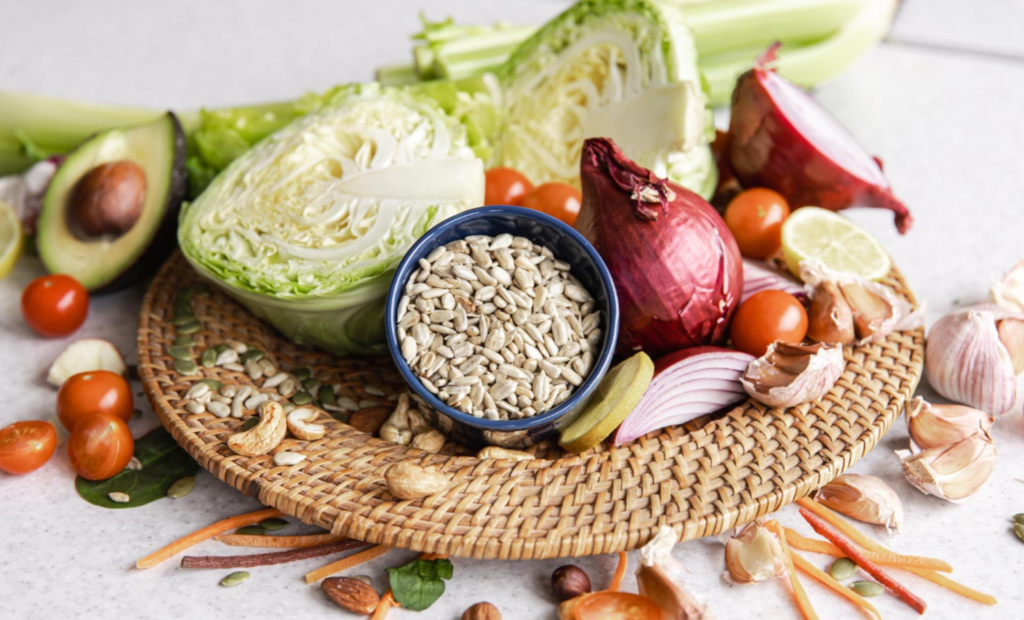
A balanced gluten-free diet starts with a wide variety of foods. Fresh fruits and vegetables, eggs, fish, poultry, beans, lentils, nuts, seeds, and dairy or plant-based alternatives are all naturally free of gluten. Whole grains and starches such as rice, quinoa, corn, oats labeled gluten-free, potatoes, and sweet potatoes provide steady energy and fiber. Choosing a mix of these foods helps cover the vitamins and minerals that wheat-based foods often provide, including B vitamins, iron, and fiber.
Fiber deserves a little extra attention. Whole wheat products are a major fiber source for many people, so replacing them with gluten-free options that are low in fiber can leave a gap. Adding beans, lentils, chia seeds, flaxseed, berries, leafy greens, and whole gluten-free grains helps keep digestion comfortable and steady.
Reading labels is a helpful habit. Gluten can hide in soy sauce, salad dressings, soups, marinades, seasoned snacks, and some processed meats. Look for products labeled gluten-free, which in the United States means they contain less than 20 parts per million of gluten. People with celiac disease also pay attention to cross-contact, which happens when gluten-free food touches surfaces, utensils, or fryers that have been used with gluten-containing food.
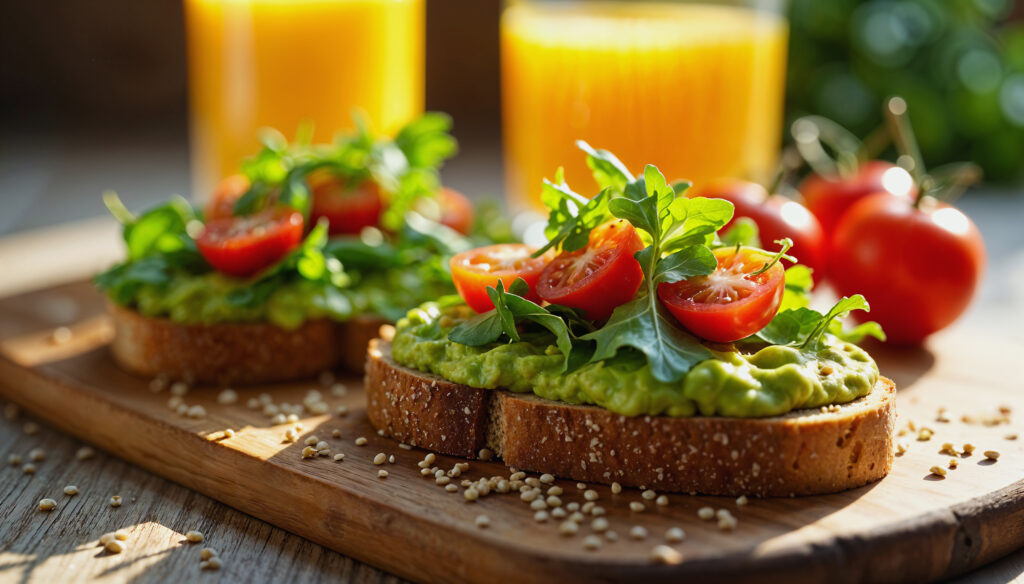
When eating out, a few friendly tips go a long way. Look at the menu ahead of time, since many cafes mark gluten-free items clearly. Ask your server how dishes are prepared, and mention if you need to avoid cross-contact. Simple, whole-food dishes such as egg plates, fresh salads, fruit bowls, grain bowls, and roasted vegetables are often easy to adjust. Most staff members are glad to help when they know what you need, and clear communication leads to a more relaxed meal.
Coffee itself is naturally gluten-free, which is good news for coffee lovers. Plain espresso, drip coffee, and most milk-based drinks contain no gluten. Flavored syrups, toppings, and some pastries may be different, so it is always sensible to ask about add-ins. Plant-based milks such as almond, soy, and coconut are usually gluten-free, though oat milk may vary depending on how the oats were processed, so look for a gluten-free label if you are sensitive.
Enjoying Gluten-Free Dining in San Francisco
San Francisco has long been a welcoming place for people who eat in special ways. Bay Area food culture values fresh, seasonal ingredients and honest cooking, which fits naturally with gluten-free eating. Many local menus feature whole-food dishes that are gluten-free by design, and cooks here are used to questions about ingredients and preparation.
At Doppio Coffee & Brunch on Mission St in San Francisco, the all-day brunch menu is built around seasonal ingredients, which makes it a pleasant place to look for meals that suit different needs. Egg dishes, fresh produce, and bowls with simple, recognizable ingredients are the kind of food that often works well for gluten-free guests. Because needs vary and menus can change with the seasons, it is a good idea to ask the team about ingredients and preparation when you order.
The Lavazza espresso program offers handcrafted espresso drinks that pair nicely with a meal, and the cozy stylish interior and warm aroma make the space welcoming for friends catching up, a calm solo morning, a casual date, or a family brunch. Takeout is available for days when you would like to enjoy your order at home or on the go.
For anyone building a Bay Area foodie guide or searching for SF brunch spots that feel thoughtful and flexible, a cafe that welcomes questions and offers fresh, seasonal dishes is a real find.
A gluten-free diet can bring genuine comfort and better health for people who need it, and it can be a rewarding way to explore new ingredients for people who simply enjoy it. The key is balance: plenty of colorful produce, quality proteins, whole gluten-free grains, and a little guidance from a doctor or dietitian when you have questions. With a bit of planning and a friendly conversation with your server, eating gluten-free can be simple, delicious, and a pleasure to share with the people around you.