
The Versatility of Lemon in Brunch Dishes
If there is one ingredient that shows up in more brunch dishes than almost any other, it is lemon. Not always in an obvious way, and not always in large amounts, but it is quietly present in so many of the flavors that make a great brunch plate come alive. A squeeze over poached eggs, a little zest stirred into pancake batter, a bright lemon vinaigrette over a grain bowl, a slice on the side of smoked salmon toast.
It has a way of making everything around it taste more like itself, sharper, fresher, and more awake. In San Francisco, where Bay Area food culture prizes seasonal ingredients and clean, vivid flavors, lemon plays a starring role in the kitchens of the best brunch places in the city.
Why Lemon Works So Well in Brunch Food
Lemon does several different things in cooking, and understanding those functions helps explain why it appears in so many brunch dishes across so many different cuisines. It is not just about adding a sour note. It interacts with other ingredients in ways that change the whole character of a dish.
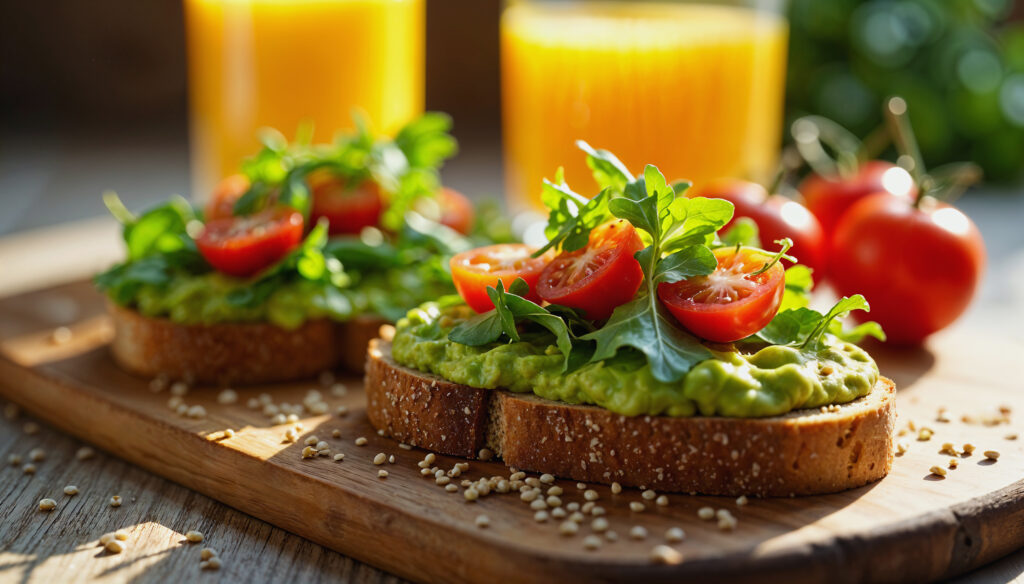
The primary function of lemon juice in cooking is acidity. Acid is one of the five basic taste elements, alongside sweet, salty, bitter, and umami, and it plays a role that many home cooks underestimate. Acidity brightens flavor. When a dish tastes flat or one-dimensional, adding a small amount of lemon juice often brings it back into focus by creating contrast against the other flavors. This is why chefs add a squeeze of lemon at the end of cooking rather than at the beginning. It is a finishing tool that lifts the entire dish without being detectable as lemon flavor specifically.
Lemon juice also cuts through richness, which is exactly what brunch food often needs. Eggs cooked in butter, avocado toast, hollandaise sauce, smoked salmon, cheese, yogurt, nut butters, all of these are rich, dense foods that can feel heavy without something to balance them. A small amount of lemon adds lightness and contrast that keeps the palate interested through every bite.
Lemon zest is a different ingredient than lemon juice and behaves differently in cooking. The zest comes from the colored outer layer of the lemon peel and contains aromatic oils that carry an intensely floral, fruity lemon flavor without the acidity of the juice. In baked goods like muffins, pancakes, scones, and cakes, lemon zest adds fragrance and flavor that juice alone cannot achieve. It mixes well into batters and doughs and holds its flavor well during baking, making it a preferred choice when you want lemon flavor in a finished baked product.
Salt and lemon work together in an interesting way. Both are flavor enhancers, and used in combination, they amplify each other’s effect. A dish seasoned with just salt tastes salty. A dish seasoned with salt and a small amount of lemon often tastes more complex and more fully flavored, even if neither element is strongly detectable on its own. This is one of the reasons that a simple squeeze of lemon over scrambled eggs or a grain bowl can make the whole plate taste better seasoned without actually adding more salt.
Lemon Across the Brunch Menu
Lemon appears in brunch dishes in more ways than most people realize, both as a primary flavor and as a background note that shapes the overall experience of a dish. Looking at the full range of brunch food, from sweet morning bakes to savory egg dishes to fresh salads and drinks, lemon shows up at every point.
In sweet dishes, lemon is often the defining flavor. Lemon ricotta pancakes use both juice and zest to create a batter that is bright, slightly tangy, and fragrant in a way that plain pancakes simply are not. The acidity of the lemon reacts with baking soda in the batter to produce carbon dioxide, which helps the pancakes lift and become fluffy.
Lemon poppy seed muffins rely on the aromatic zest to give the baked item its distinctive flavor, and the slight bitterness of the poppy seeds contrasts with the brightness of the lemon in a way that feels balanced and complete. Lemon curd is one of the most satisfying things you can spread on toast or serve alongside scones, made from juice, zest, eggs, butter, and sugar cooked together into a silky, tart-sweet spread.
In savory dishes, it plays a more supporting role but is no less important. Eggs Benedict with a classic hollandaise gets a significant amount of its character from lemon juice stirred into the sauce. Without that acidity, hollandaise tastes rich to the point of heaviness. The lemon keeps it alive and interesting. Avocado toast in every form benefits from lemon, either mixed into the mashed avocado or squeezed over the top, because the acid prevents browning and adds flavor at the same time. Smoked salmon on toast is almost always served with lemon because the citrus cuts through the oily richness of the salmon and amplifies its clean, briny flavor.
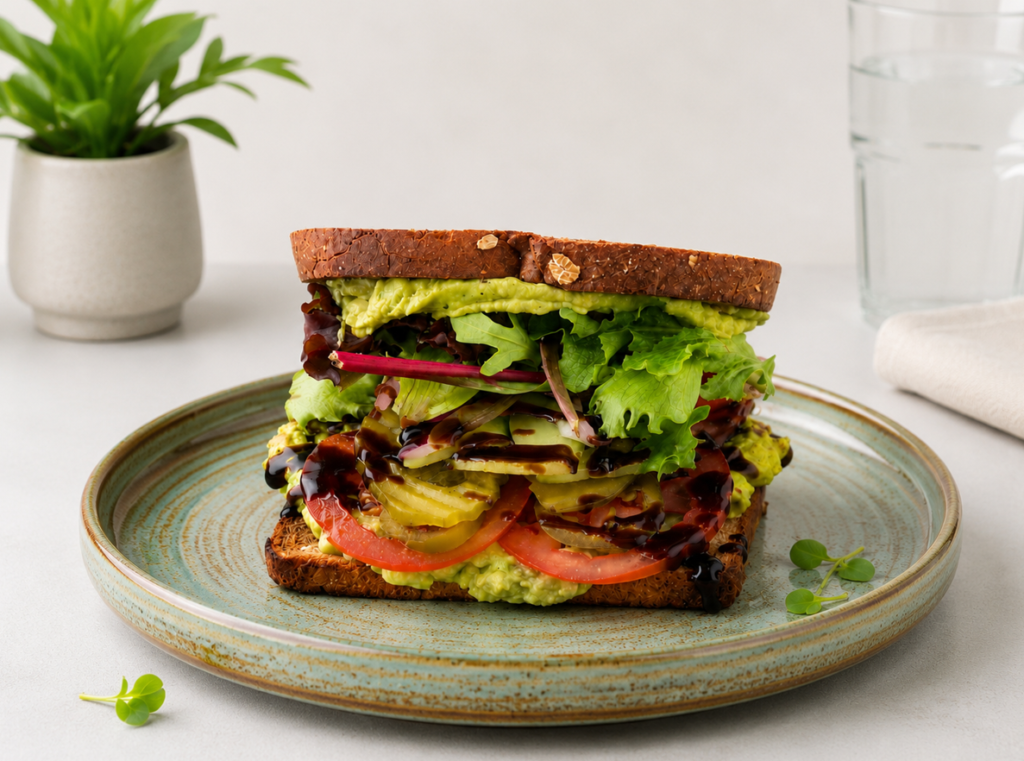
Salads and grain bowls at top San Francisco restaurant brunch menus nearly always include a lemon-based dressing. A simple vinaigrette made with fresh lemon juice, olive oil, salt, and honey is one of the most versatile and widely used sauces in brunch cooking. It works on everything from arugula to roasted vegetables to quinoa, and it takes about thirty seconds to make from scratch.
It also appears in drinks on the brunch menu. Fresh lemon juice in sparkling water, lemonade, and cocktails like the classic Aperol spritz or a lemon drop all reflect how naturally lemon fits into morning and midday drinking culture. Even a slice of lemon in a glass of still water at the table is there for a functional reason, the oils from the peel add fragrance that makes plain water more pleasant to drink.
Here is a clear list of how it is used across a typical brunch menu:
- In pancake and waffle batter via zest for fragrance and juice for acidity and lift
- In hollandaise and creamy sauces to cut richness and add brightness
- Over avocado toast to prevent browning and add flavor contrast
- In salad dressings and vinaigrettes as the acid that balances oil and seasoning
- With smoked salmon and seafood to cut oiliness and enhance clean flavors
- In muffins, scones, and pastries via zest for baked-in lemon fragrance
- In brunch drinks including lemonade, sparkling water, and cocktails
- As a finishing squeeze over eggs, grain bowls, and roasted vegetable dishes
Cooking With Lemon
Understanding how to use lemon well in cooking comes down to a few simple principles that any home cook or cafe visitor interested in food can apply immediately.
Always use fresh lemon juice rather than bottled when possible. Fresh juice has a brightness and complexity that bottled one simply cannot replicate. The volatile aromatic compounds that give fresh lemon its character degrade quickly once the fruit is cut or juiced, which is why bottled versions taste flat and sometimes slightly medicinal by comparison. At a good San Francisco brunch restaurant or specialty coffee cafe, fresh lemons are always on hand.
Use both the juice and the zest for maximum flavor. Juice provides acid and a mild lemon taste. Zest provides intense, fragrant lemon oil without acidity. Together they give you the full flavor profile of the fruit. In any recipe that calls for lemon, adding zest alongside the juice makes the flavor more complete and more interesting.
Add lemon at the end of cooking in most savory applications. Heat drives off the aromatic compounds in lemon quickly, which means lemon added early in cooking tastes less vibrant by the time the food reaches the plate. A squeeze of fresh lemon added right before serving preserves the brightness that makes it so effective as a finishing element.
Roll the lemon firmly on the counter before cutting it. This breaks down the cell walls inside the fruit and makes it significantly easier to juice, often producing thirty percent more juice from the same lemon.
At Doppio Coffee & Brunch on Mission St in San Francisco, seasonal ingredients are at the heart of the menu, and lemon is a natural part of that philosophy. When ingredients are fresh and chosen with care, a little lemon in the right place makes the whole dish come together. From the all-day brunch menu to the handcrafted espresso drinks made with Lavazza beans, every element of the experience at this cozy, stylish Mission St cafe reflects the same attention to detail that makes a squeeze of lemon over a beautifully plated dish feel like the finishing touch it truly is.
For anyone building their own Bay Area foodie guide or looking for the best brunch in San Francisco, understanding how ingredients like lemon shape the dishes you love makes every meal more interesting. Great brunch food is built on layers of flavor, and lemon is one of the most reliable and versatile tools a kitchen has for building those layers from the first bite to the last.