
Best Salad Toppings for Extra Protein
A salad can be a light side dish or a full meal that keeps you comfortable for hours. The difference usually comes from the toppings. Leafy greens and vegetables bring fiber, vitamins, and a lovely crunch, but they offer only a small amount of protein on their own. It helps a salad feel satisfying, supports your muscles, and keeps your energy steady between meals. If you have ever enjoyed a big salad and felt ready for a snack an hour later, a little extra protein may be the missing piece.
The good news is that adding protein to a salad is simple, and the choices are plentiful. Some come from animals, some come from plants, and some are small, crunchy extras that add a few grams without changing the dish much. Whether you build a salad at home, stop at a cafe near me on a lunch break, or choose a fresh bowl at a San Francisco brunch spot on a relaxed weekend, knowing which toppings work well helps you enjoy a meal that tastes wonderful and feels nourishing. This guide walks through the best options, roughly how much protein each one offers, and gentle ways to put them together.
Animal-Based Toppings That Add Protein
Animal proteins are the most familiar salad toppings, and many of them are complete proteins, which means they contain all the essential amino acids your body needs.
Grilled chicken breast is a classic choice for good reason. A three-ounce serving provides roughly 25 grams of protein and very little fat. Its mild flavor works with almost any dressing. Sliced thin and served warm over cool greens, it turns a simple salad into a comforting dinner. Chicken thigh is a little richer and stays tender, which many people enjoy.
Eggs are one of the easiest and most useful toppings. One large egg has about six grams of protein, and the yolk adds healthy fats along with vitamin B12 and choline. A hard-boiled egg is simple to prepare ahead of time, while a soft poached egg adds a silky sauce when the yolk gently flows over the greens. At brunch-focused cafes, a poached egg on a salad is a popular way to make a light dish feel a little more special.
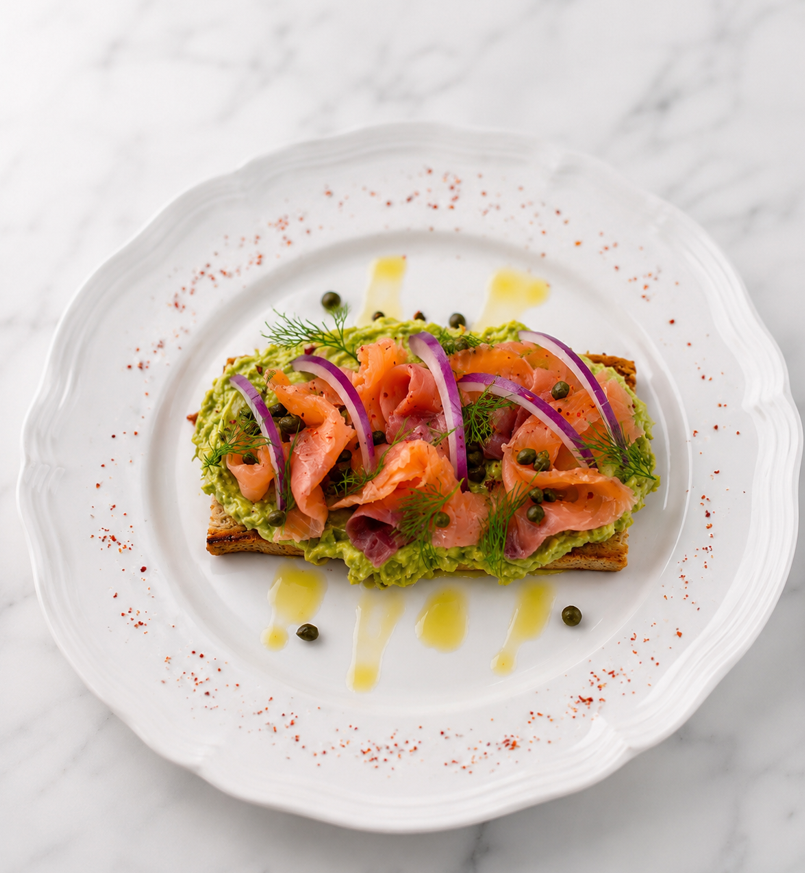
Salmon is another lovely option. A three-ounce portion offers around 20 grams of protein, plus omega-3 fatty acids that support heart and brain health. Flaked smoked salmon is quick and flavorful, while a baked fillet gives a more generous result. Canned tuna is an affordable choice with about 20 grams of protein per can, and it keeps well in the pantry.
Shrimp are tender and quick to cook. A three-ounce serving has about 20 grams of protein and a modest number of calories. Thinly sliced lean beef, such as sirloin or flank, gives about 22 grams in a three-ounce serving, along with iron and zinc.
Cheese adds a smaller but tasty boost. Parmesan, feta, and goat cheese each provide a few grams per serving, and cottage cheese offers more, with about 12 grams per half cup. A little crumbled cheese adds a pleasant tang, which also lets you use a lighter hand with the dressing.
Plant-Based Toppings for Protein and Fiber
Plant proteins bring something extra to the bowl, and that is fiber. Because most animal proteins contain none, plant toppings can help a salad digest slowly and keep you comfortably full. They also fit beautifully into the food culture of the Bay Area, where San Francisco cafes with vegan options are easy to find and plant-forward menus are a welcome part of everyday dining.
Chickpeas are one of the best all-around plant toppings. A half cup has about seven grams of protein and five grams of fiber. You can use them straight from a can after a quick rinse, or roast them in the oven with olive oil and your favorite spices until they turn crisp. Roasted chickpeas make a wonderful stand-in for croutons.

Lentils are another great choice. A half cup of cooked lentils offers about nine grams of protein, plus iron and folate. They hold their shape well and soak up dressing, so they work nicely in grain salads and warm bowls. Black beans, white beans, and kidney beans fit in the same way, each with roughly seven to eight grams per half cup.
Tofu and tempeh are friendly options for anyone who enjoys a firm, satisfying texture. Baked or pan-seared tofu cubes provide about 10 grams of protein per half cup, and tempeh offers even more, around 15 grams per half cup, along with the benefits of fermentation. A simple marinade of soy sauce, garlic, and a touch of maple syrup gives them a savory, slightly sweet flavor that pairs nicely with leafy greens.
Edamame are young soybeans that provide about nine grams of protein per half cup. They are bright green, mildly sweet, and fun to eat. Quinoa is one of the few grains that is a complete protein, giving about four grams per half cup when cooked, and it makes a soft, nutty base for almost any salad.
Small Crunchy Toppings That Add Up
Seeds and nuts do not carry as much protein by weight as a scoop of lentils or a piece of chicken, but they add up nicely, and they bring healthy fats and a satisfying texture.
Hemp seeds are a wonderful choice. Three tablespoons give about 10 grams of protein, and their soft, mild flavor blends in without taking over the dish. Pumpkin seeds, also called pepitas, provide about five grams in a quarter cup and add a toasty crunch. Sunflower seeds and sesame seeds offer smaller amounts and pair well with many dressings.
Almonds, walnuts, pistachios, and peanuts each provide around four to six grams of protein per quarter cup. Toasting them in a dry pan for a few minutes brings out their natural sweetness. A small sprinkle of chopped nuts can make a simple salad feel complete. Chia seeds are better known in puddings and smoothies, but a spoonful on a salad adds a little protein and fiber without changing the taste.
Nutritional yeast is a lovely ingredient to know. It has a savory, cheesy flavor and provides about eight grams of protein in a quarter cup. Many plant-based cooks use it to add depth to dressings and bowls.
How to Build a Balanced High-Protein Salad
Adding protein is only part of the picture. A great salad balances flavor, texture, and nutrition. A simple formula works well. Start with a base of leafy greens, add a main protein, include a second smaller protein or a sprinkle of seeds, bring in color from fresh vegetables, and finish with a dressing that complements the rest.
Aim for roughly 20 to 30 grams of protein for a main-course salad. That could be a grilled chicken breast with a handful of pumpkin seeds, or a bowl of chickpeas, quinoa, and baked tofu with a spoonful of hemp seeds. Mixing two or three protein sources is a thoughtful way to reach that goal without relying on one ingredient alone.
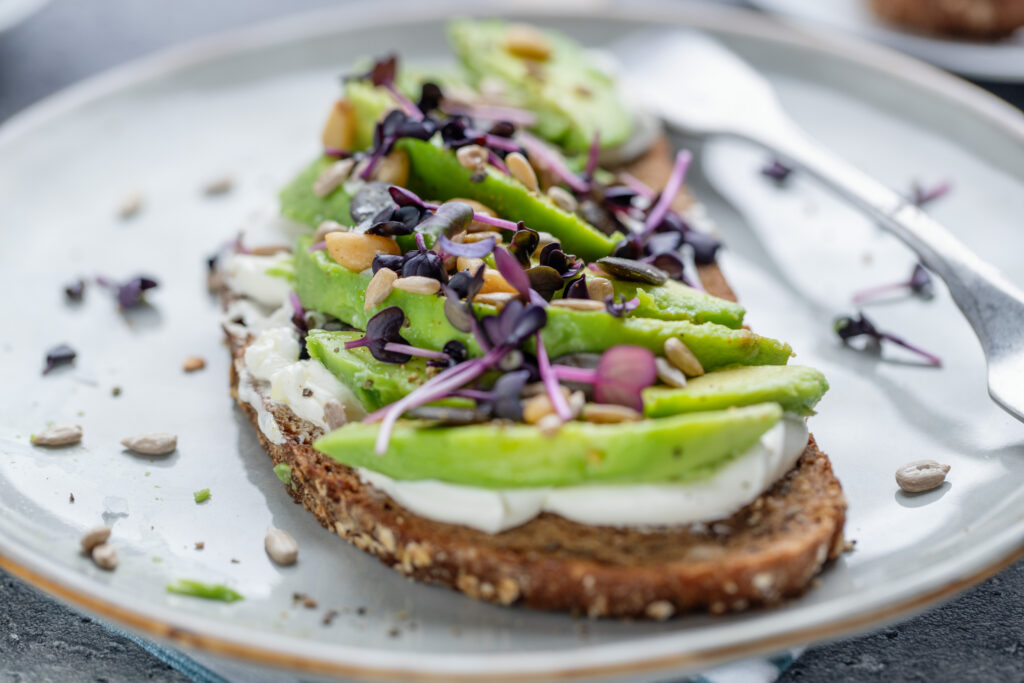
Texture matters just as much as protein content. A salad that is soft from start to finish can feel a little plain, so it helps to include something crisp, something creamy, and something chewy. Crunchy seeds, creamy avocado, and tender grains or beans work well together. A dressing with a touch of acidity, like lemon juice or vinegar, brightens the whole bowl and helps each flavor shine.
A few guide-style tips can make the process easier and more enjoyable. Prepare proteins ahead of time on a free afternoon, such as boiling a batch of eggs, baking tofu, or cooking a pot of lentils, so you can assemble salads quickly during the week. Store dressing separately to keep the greens crisp. Warm proteins over cool greens create a pleasing contrast, and seasoning each part lightly lets the flavors build gently. When ordering out, ask whether you can add a second protein, since many cafes are happy to do so for a small extra charge.
At Doppio Coffee & Brunch on Mission St in San Francisco, the all-day brunch menu is built around seasonal ingredients at any hour of the day. Bright greens, ripe vegetables, eggs, and hearty toppings fit naturally into the balanced plates that people look for at SF brunch spots. The cozy stylish interior and the warm aroma of Lavazza espresso make it a comfortable place to sit down with a lighter meal and enjoy a handcrafted espresso drink afterward. It suits friends catching up, a quiet solo lunch, a casual date, or a relaxed family meal, and takeout is available for days when you would like to carry a salad to the park or back to the office.
For anyone exploring Bay Area eats or building a personal list of favorite SF foodie spots, a well-made protein salad is a dependable choice. It supports steady energy, it adapts to almost any way of eating, and it tastes best when the ingredients are fresh and chosen with care. With so many protein toppings to try, you can build a new salad every day and always find something to look forward to. Start with greens you love, add a protein that suits your taste, finish with something crunchy, and you will have a meal that feels as good as it tastes.