
Understanding Coffee Fermentation
Most people think about coffee in terms of what happens at the café. The grind, the espresso machine, the milk, the pour. But some of the most important decisions that shape what ends up in your cup happened long before the bean ever reached a roaster. They happened on a farm, in a processing station, during a step that most coffee drinkers have never heard of: fermentation. Coffee fermentation is one of the least talked about and most flavor-defining parts of the entire journey from plant to cup. Once you understand how it works, you start to see why two coffees from the same country, the same region, even the same farm can taste completely different from each other.
San Francisco has always been a city where food curiosity runs deep. The Bay Area food culture rewards people who want to know more about what they are eating and drinking, and the specialty coffee San Francisco scene is no exception. The best cafes in the Bay Area serve coffees that have been processed in specific ways, and fermentation is a big part of that story. This guide walks through what coffee fermentation actually is, why it matters so much, and how it connects to the cup of coffee you enjoy at your favorite café near me in the Mission or anywhere else in the city.
What Coffee Fermentation Actually Is
To understand fermentation, it helps to know a little about how coffee grows. The coffee bean is actually the seed of a fruit called a coffee cherry. The cherry has layers: an outer skin, a layer of sweet fruit pulp called mucilage, a thin parchment layer, and then the seed itself, which is the bean that gets roasted and brewed. When coffee is harvested, all of those layers are still attached to the bean, and they need to be removed before the bean can be dried, shipped, and roasted.
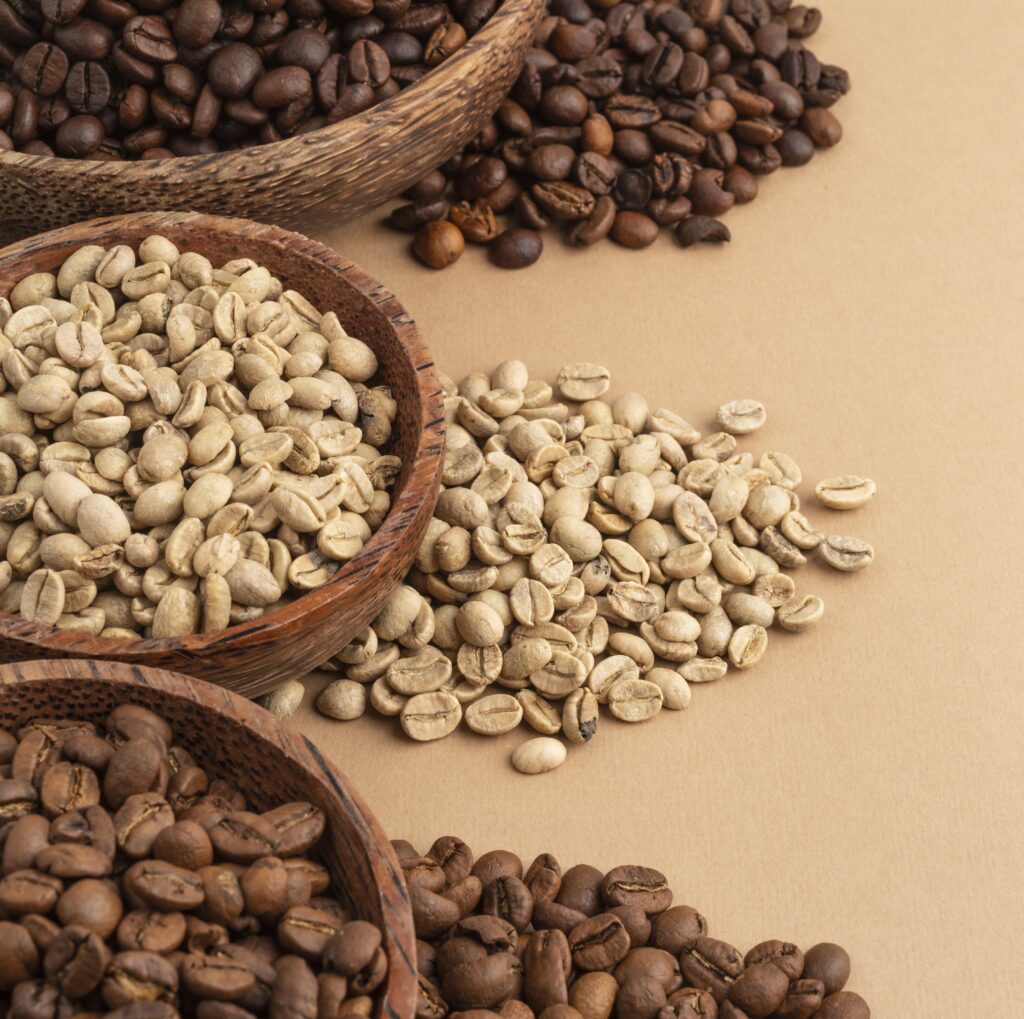
Fermentation is the step in this process where microorganisms, primarily bacteria and yeast, break down the mucilage that clings to the bean. This breakdown is necessary for processing, but it also has a significant effect on the flavor of the final coffee. The microorganisms produce acids, alcohols, and other compounds during fermentation that absorb into the bean and shape its flavor profile in ways that carry all the way through roasting and into your cup.
The fermentation environment matters enormously. Temperature, humidity, the specific microorganisms present, the duration of fermentation, and whether the beans are submerged in water or fermenting in open air all affect the outcome. A well-managed fermentation produces clean, complex, interesting flavors. A fermentation that goes wrong, too long, too hot, or poorly controlled, produces off-flavors that no amount of good roasting or skilled brewing can fix. This is why fermentation is both one of the most powerful tools a coffee producer has and one of the most carefully managed steps in the entire process.
How They Use Fermentation
Different coffee processing methods use fermentation in different ways, and the method a producer chooses has a direct impact on what the final coffee tastes like. The three most common methods are washed, natural, and honey, and each one handles the cherry’s layers differently.
Washed processing, also called wet processing, removes the cherry skin and most of the mucilage mechanically before fermentation begins. The beans are then placed in tanks of water where fermentation continues for anywhere from 12 to 72 hours, depending on the producer and the environment. After fermentation, the beans are rinsed and dried. Because most of the fruit material has been removed before fermentation, washed coffees tend to taste clean, bright, and clearly expressive of the bean’s origin characteristics. The acidity is often higher, and the flavor is more transparent. When you drink a washed Ethiopian coffee and taste distinct blueberry or jasmine notes, that clarity is partly a product of controlled washed fermentation.
Natural processing, sometimes called dry processing, takes the opposite approach. The whole coffee cherry, fruit and all, is laid out to dry in the sun with the bean still inside. Fermentation happens slowly over several weeks as the fruit dries around the bean. During this time, the sugars and compounds in the fruit gradually absorb into the bean. Natural-processed coffees tend to taste heavier, sweeter, and more fruit-forward than washed coffees. You might get intense notes of strawberry, tropical fruit, wine, or chocolate. The fermentation is less controlled in natural processing because it happens over a longer period and in open air, which means the results can vary more from batch to batch.
Honey processing sits between the two. Some of the mucilage is left on the bean before drying, and the amount left on determines whether the coffee is called yellow honey, red honey, or black honey. More mucilage means more sugar contact during drying and a sweeter, heavier cup. Less mucilage means a cleaner result closer to washed. Honey-processed coffees often have a balanced sweetness and body that makes them very approachable, which is part of why they have become popular at artisan coffee shops in the Bay Area.
Here is a simple comparison of the three main methods:
- Washed: mucilage removed before fermentation, clean and bright flavor, high acidity, transparent origin character
- Natural: whole cherry dried intact, heavy body, sweet and fruit-forward, wine or berry notes common
- Honey: partial mucilage left on bean, balanced sweetness and body, sits between washed and natural in flavor profile
Newer Fermentation Techniques
The world of coffee fermentation has expanded significantly in recent years. Producers experimenting with controlled fermentation techniques have created coffees with flavor profiles that would have seemed unusual a decade ago. Anaerobic fermentation, where beans are sealed in oxygen-free tanks during processing, produces a very different set of flavor compounds than traditional open-air fermentation. The result is often a coffee with pronounced fruit notes, sometimes tropical or wine-like, and a distinct sweetness that sets it apart from more conventional processing.
Carbonic maceration, borrowed from the wine world, is another technique making its way into specialty coffee production. Whole cherries are placed in tanks filled with carbon dioxide, which slows fermentation and creates specific flavor compounds in a more controlled way. Coffees processed with carbonic maceration often have very defined fruit flavors and a clean, structured sweetness.
These newer methods have become conversation pieces at specialty espresso bars in SF and among the community of coffee drinkers who follow what is happening at the production level. They represent the frontier of what fermentation can do for coffee flavor, and as more producers adopt and refine these techniques, the range of what coffee can taste like continues to grow.
For everyday coffee drinkers, the practical takeaway is simple. When you see processing method listed on a coffee bag or café menu, it tells you something real about the flavor you can expect. A natural-processed coffee from Ethiopia will taste very different from a washed-processed coffee from Colombia, even if both are well-made and well-brewed. Paying attention to this detail is one of the fastest ways to develop a more specific sense of what you like and why.
This connection between process and flavor is exactly what makes specialty coffee culture in San Francisco so rewarding to engage with. The best cafes in the Bay Area are staffed by people who understand these details and enjoy talking about them. At Doppio Coffee & Brunch on Mission St, the Lavazza espresso brings a smooth, consistent profile that reflects careful sourcing and roasting, and the warm, aromatic environment of the café is a natural extension of that attention to quality. The cozy, stylish interior, the all-day brunch menu built around seasonal ingredients, and the handcrafted espresso drinks all belong to a space where good coffee is treated with genuine respect.
Whether you are a regular at your favorite SF brunch spot, searching for the best coffee in San Francisco to start a weekend morning right, or just beginning to explore what specialty coffee actually means, fermentation is one of the most interesting threads you can follow. It connects the farm to the cup in a direct and flavorful way, and understanding it makes every sip a little more interesting. The next time you taste something unexpectedly fruity, sweet, or complex in your coffee, there is a good chance fermentation deserves some of the credit.