Automatic vs Manual Espresso Machines: What’s the Difference?
Walk into any serious café and there is a good chance the espresso machine behind the counter is doing a lot of quiet, precise work that most customers never think about. The grind size has been dialed in that morning. The water temperature is being held within a degree or two of the target.
The pressure is set. When the barista pulls a shot, dozens of variables are working together in the space of about 25 to 30 seconds. What most people do not realize is that the type of machine being used shapes all of this in a fundamental way, and the choice between automatic and manual is one of the most important decisions a café or home brewer can make.
For anyone who loves SF coffee or spends time at specialty espresso bars in SF, understanding what goes into the machine on the other side of the counter adds a whole new layer to the experience. San Francisco has one of the most sophisticated coffee cultures in the country. The best cafes in the Bay Area invest seriously in their equipment because they know it directly affects what ends up in your cup. This guide breaks down the real differences between automatic and manual espresso machines, what each one does well, and what that means for the coffee you drink every day.
How Each Machine Type Actually Works
Manual espresso machines, sometimes called lever machines, require the operator to control pressure by hand. In the most traditional versions, the barista physically pulls a lever to force hot water through the coffee grounds. This gives the person making the shot direct control over pressure profiling, meaning they can increase or decrease the force applied at different moments during the extraction. A slow build at the start, a peak in the middle, a gentle release at the end. Done well, this technique can produce shots with exceptional sweetness and complexity. Done poorly, it produces inconsistency.
The skill ceiling on a manual machine is high. It takes time to learn how much pressure to apply, when to build, and when to ease off. This is why manual machines are most common among very dedicated home enthusiasts and a smaller number of specialty coffee shops that have made the manual pull part of their identity. The tactile connection between the barista and the coffee is real, and for people who love the craft side of espresso, that connection matters.
Automatic espresso machines take a different approach. They use an electric pump to generate and maintain consistent pressure throughout the shot, typically at nine bars, which is the standard for espresso extraction. The barista still controls the grind, the dose, the tamp, and the timing, but the pressure delivery itself is handled by the machine. Semi-automatic machines stop the shot when the barista manually cuts the flow. Fully automatic machines stop it based on a programmed volume or time. Super-automatic machines grind, dose, tamp, and pull the shot with minimal human input.
Here is a simple breakdown of the main machine types:
- Manual lever machines: full pressure control by hand, highest skill requirement, most hands-on
- Semi-automatic machines: pump-driven pressure, barista controls start and stop timing
- Fully automatic machines: pump-driven pressure, machine controls volume or timing automatically
- Super-automatic machines: fully automated from grind to cup, minimal barista input required
Consistency, Control, and What Matters Most
The automatic versus manual debate often comes down to a question of consistency versus control. Automatic machines, especially well-calibrated commercial ones, produce more consistent pressure delivery shot after shot. In a busy café environment where dozens or hundreds of espressos are pulled every hour, that consistency protects quality at scale. A barista using a semi-automatic machine can focus on the grind, the dose, and the milk work, knowing that the pressure side of the equation is being handled reliably by the pump.
Manual machines offer more creative control but introduce more variability. Two baristas using the same manual machine with the same beans can produce noticeably different results based on their individual technique. In the context of artisan coffee shops in the Bay Area, this variability is sometimes seen as a feature. The human element is part of the experience, and a skilled barista on a lever machine can coax flavors out of a bean that a standard automatic extraction might miss. But it requires a level of training and consistency that is harder to maintain across a full team.
For most cafés focused on delivering reliable quality to every customer, semi-automatic commercial machines hit the right balance. They give the barista meaningful control over the variables that matter most while removing the most physically demanding and technically complex element of pressure control from the equation. This is why the majority of specialty coffee San Francisco spots use commercial semi-automatic machines from respected manufacturers.
Water temperature stability is another place where machine quality shows up clearly. Cheaper automatic machines can struggle to hold temperature consistently, especially during busy periods. High-end commercial machines use dual boiler or heat exchanger systems that maintain separate temperatures for brewing and steaming simultaneously. This prevents the temperature swings that cause bitter or sour shots and allows the barista to pull a shot and steam milk at the same time without one affecting the other.
What This Means for the Coffee in Your Cup
When you order a handcrafted espresso drink at a good café, the machine is one part of what makes it taste the way it does. The bean quality, the roast, the grind, the dose, the tamp, the water, and the skill of the person making it all play a role. But the machine sets the framework within which all of those variables operate, and a well-maintained, properly calibrated machine gives the barista the best possible conditions to do their job well.
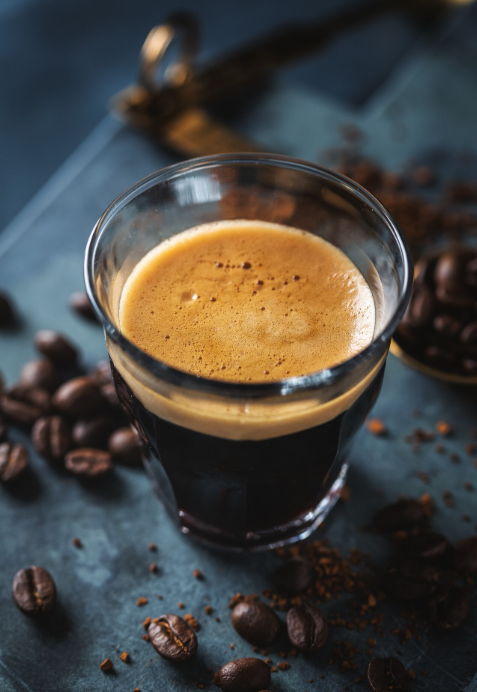
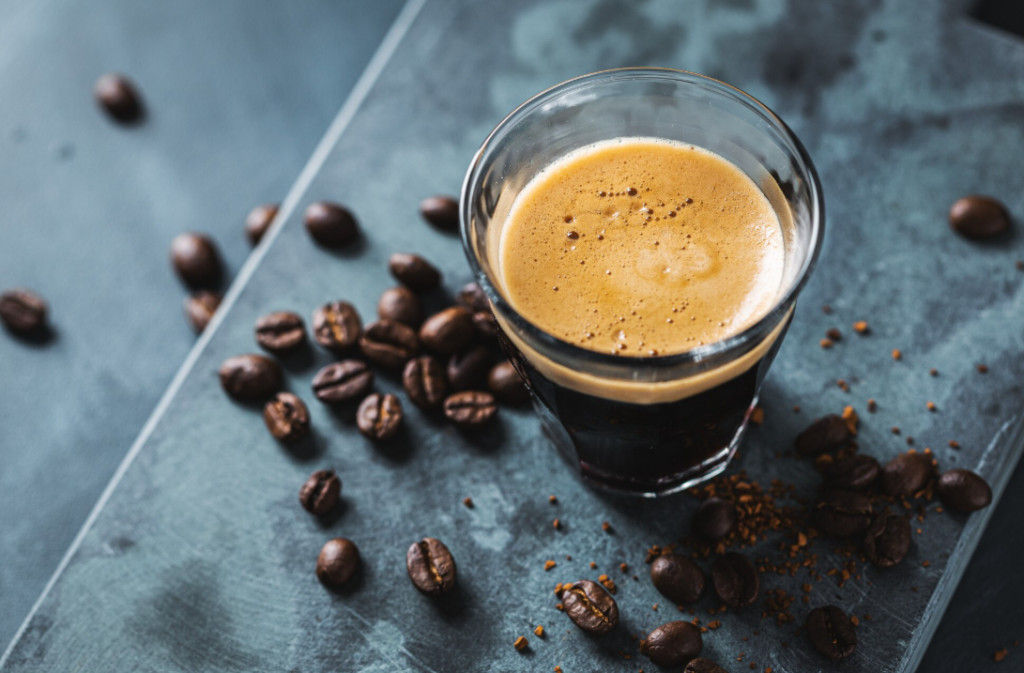
This is part of why the experience at dedicated specialty espresso bars in SF feels different from grabbing a coffee at a place that treats it as an afterthought. The equipment investment, the training investment, and the daily attention to calibration all add up. You taste it in the crema, which should be thick, even, and reddish-brown rather than pale and thin. You feel it in the body of the shot, which should be full and coating without being harsh. You notice it in the aftertaste, which should linger pleasantly rather than dropping off into bitterness.
At Doppio Coffee & Brunch on Mission St in San Francisco, the espresso is made using Lavazza, a roaster with a long history of producing blends designed to perform consistently in professional settings. The handcrafted espresso drinks there reflect the care that goes into every step of the process, from how the machine is maintained to how each shot is pulled and served. The cozy, stylish interior and the rich aroma that fills the space from morning through the afternoon create an atmosphere where the coffee feels like it belongs to a bigger, warmer experience rather than just a transaction.
Practical Tips for Anyone Thinking About Home Espresso
If you enjoy great coffee at cafés and are thinking about recreating that experience at home, understanding the machine types helps you make a smarter decision.
A super-automatic machine is the most convenient option and produces decent results with very little effort. If you want good espresso without investing time in learning technique, this is a reasonable starting point. The trade-off is that you have less control over the result and less ability to improve it over time.
A semi-automatic machine gives you real hands-on involvement without the physical complexity of a lever machine. It is the most popular choice among home enthusiasts who want to grow their skills and get genuinely great results. Pair it with a good burr grinder and quality beans, and the ceiling on what you can produce at home is surprisingly high.
A manual lever machine is rewarding but demanding. It suits people who are deeply interested in the craft and willing to invest time in learning. The shots it can produce at its best are remarkable, but the learning curve is real and the consistency takes time to develop.
Whatever machine you use at home, the best way to calibrate your taste is to keep drinking good coffee at cafés you trust. The best coffee in San Francisco sets a standard that is worth chasing, and visiting places where the equipment, the beans, and the skill all come together gives you a clear benchmark for what espresso can actually be. Doppio Coffee & Brunch is one of those places, and whether you are stopping in for a morning flat white, a slow weekend brunch with friends, or a quick takeout coffee before heading into the day, the coffee there reminds you why the details matter.