The Compounds That Define Coffee’s Taste and Aroma
You walk into a café and before you even reach the counter, something happens. The smell alone changes your mood. It is warm and rich and layered in a way that is hard to describe but immediately familiar. That aroma is not one thing. It is hundreds of things happening at once, chemical compounds that formed during roasting and brewing, each one contributing something to the overall experience. Coffee is one of the most chemically complex beverages people drink, and understanding even a little of what is actually in that cup makes the whole experience more interesting.
For coffee lovers in San Francisco, this complexity is part of what makes the local café culture so engaging. The Bay Area has always attracted people who are curious about how things work, and that curiosity extends to food and drink. The best coffee in San Francisco is not just good because someone made it carefully, though that matters too.
It is good because the raw materials, the beans, the roast, the water, and the brewing method all interact in ways that produce specific flavors and aromas. Knowing what those are helps you understand why your flat white tastes different from your Americano, why a light roast smells fruity while a dark roast smells smoky, and why some cafés just smell better than others the moment you walk through the door.
The Chemistry Behind That First Smell
Coffee contains over 1,000 volatile aromatic compounds. These are the molecules that travel through the air and reach your nose before the drink ever touches your lips. They are created mostly during roasting, when heat triggers a cascade of chemical reactions that transform a raw green bean into the complex, fragrant bean you grind at home or find behind the counter at artisan coffee shops in the Bay Area.
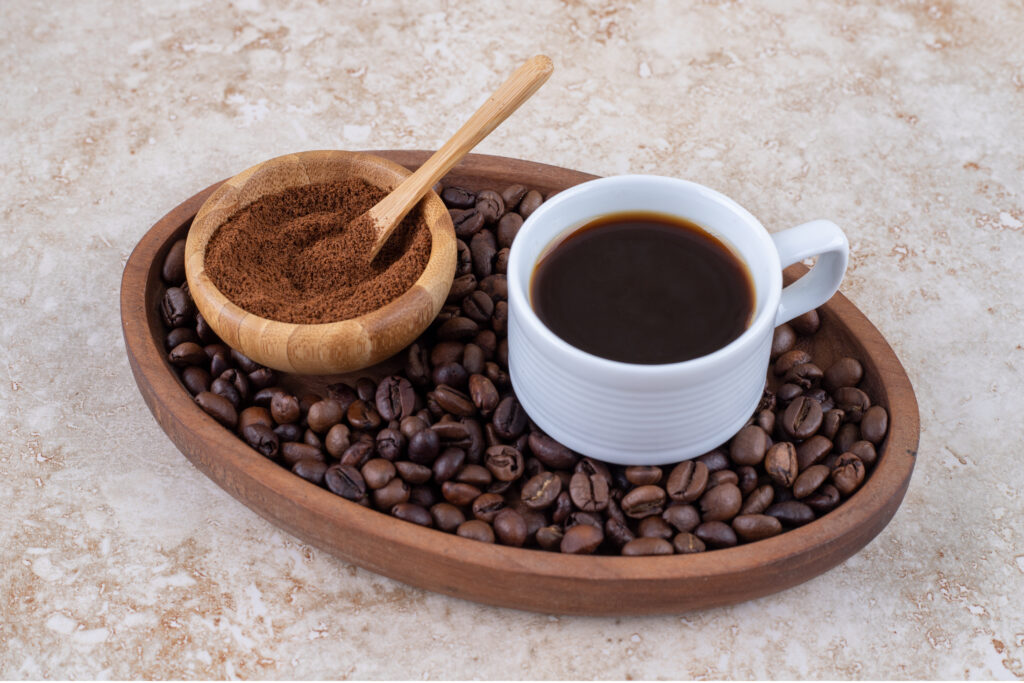
The most important of these reactions is called the Maillard reaction. This is the same browning process that happens when you sear a steak or toast bread. Sugars and amino acids in the bean react under heat to create hundreds of new flavor and aroma compounds. These include pyrazines, which give coffee its roasted, nutty character, and furans, which add caramel and sweet notes. The balance between these compounds shifts depending on how long and how hot the roast goes, which is why a light roast smells so different from a dark one even though they started as the same bean.
Caramelization is another key reaction. As sugars heat up, they break down and reform into new compounds that smell and taste sweet, slightly bitter, and complex. This is distinct from the Maillard reaction but happens alongside it, and both together are responsible for the rich, layered aroma that makes walking into a specialty coffee shop in SF feel like a sensory event rather than just a stop on your morning commute.
Chlorogenic acids are also worth knowing about. These are antioxidant compounds found naturally in coffee beans. During roasting, they break down into other compounds, including quinic acid and caffeic acid, which contribute to coffee’s bitterness and astringency. Light roasts retain more chlorogenic acids, which is partly why they taste brighter and sometimes more acidic. Dark roasts break most of these down further, reducing acidity but increasing other bitter compounds. When you understand this, the difference between roast levels stops feeling like a matter of preference and starts making sense on a chemical level.
What Creates the Taste Inside the Cup
Aroma and taste are deeply connected. A large portion of what you experience as flavor when drinking coffee actually comes through your nose, not your tongue. But the compounds that dissolve into the liquid during brewing also play a direct role in what you taste.
Caffeine is the most well-known of these. It contributes bitterness to coffee but is not the only source of it, and its concentration varies depending on bean variety, roast level, and brewing method. Robusta beans contain roughly twice the caffeine of Arabica beans, which also makes them taste more bitter and less complex. Most specialty coffee San Francisco cafés use high-quality Arabica beans because of their wider flavor range and more nuanced taste profile.
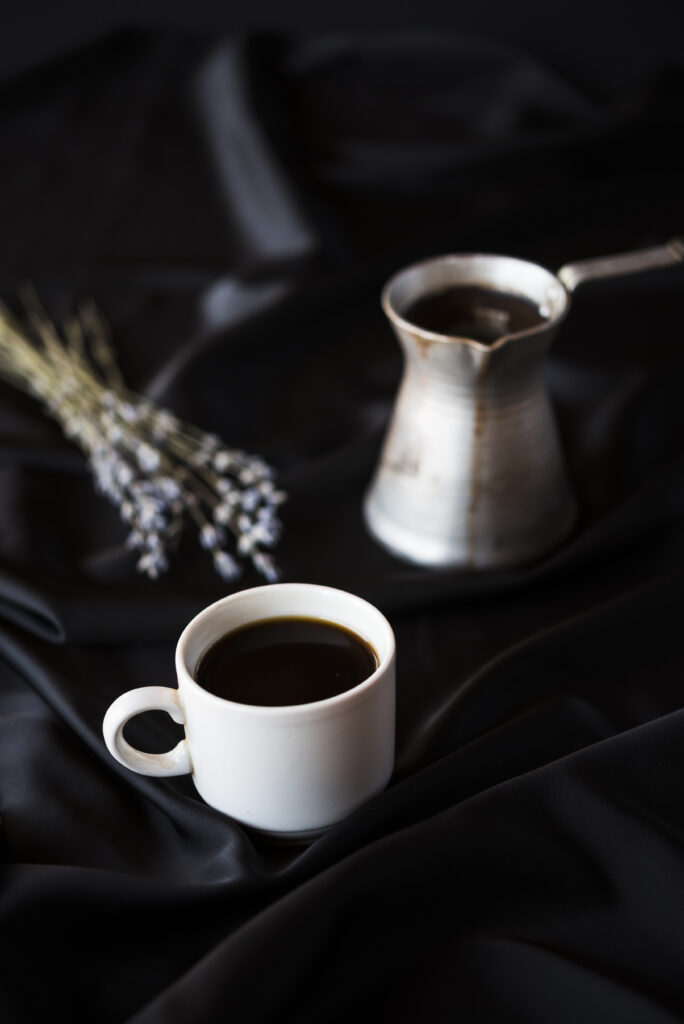
Acids give coffee its brightness and perceived liveliness. Citric acid adds fruity notes. Malic acid, found in apples, contributes a clean, mild tartness. Acetic acid in small amounts adds complexity without sourness. When a coffee is described as having good acidity, it does not mean it tastes sour. It means it has a lively, clean brightness that makes the flavors feel more defined and interesting. Over-extraction during brewing, or water that is too hot, breaks these acids down and leaves the cup tasting flat and harsh instead of bright and pleasant.
Lipids, the natural oils in coffee, also matter more than most people realize. These oils carry flavor compounds and contribute to the body or thickness you feel in your mouth. Espresso has more lipids than filtered coffee because the brewing process pushes them through into the cup. A paper filter used in pour-over brewing absorbs most of these oils, which is why pour-over tends to taste cleaner and lighter while espresso feels heavier and more full-bodied. This is also why handcrafted espresso drinks SF coffee lovers seek out have that rich, velvety texture that other brewing methods cannot fully replicate.
Here are some of the key compound groups and what they contribute to your cup:
- Pyrazines: roasted, nutty, earthy aromas that define the character of darker roasts
- Furans: sweet, caramel-like notes that come from sugar caramelization during roasting
- Aldehydes: bright, slightly fruity top notes that are more present in lighter roasts
- Organic acids: brightness, liveliness, and the clean finish in well-made coffee
- Caffeine: bitterness and the stimulating effect most people drink coffee for
- Coffee oils and lipids: body, mouthfeel, and the way flavor lingers after you swallow
Why Freshness and Sourcing Change Everything
All of these compounds are at their most expressive when the coffee is fresh. Once roasted, beans begin losing their volatile aromatics almost immediately. This is why locally roasted coffee in San Francisco tastes better than coffee that has traveled long distances and sat in storage. The fruity and floral top notes fade first, followed by the more complex middle notes. What is left after several weeks is mostly the base bitterness and body, which is a much flatter experience than what a freshly roasted bean can offer.
This is also why the sourcing choices a café makes show up directly in the cup. Cafés that work with trusted roasters and rotate their beans to keep them fresh are giving you access to the full range of what that coffee can express. Those that use older stock or do not prioritize freshness are serving you a diminished version of what the bean was capable of at its best.
Doppio Coffee & Brunch on Mission St in San Francisco uses Lavazza espresso, a roaster with a long history of producing consistent, well-balanced blends that bring out smooth, aromatic flavor in the cup. The awesome aroma that hits you when you walk into the café is a direct result of that quality.
Freshly pulled espresso releases its volatile compounds immediately, and in a cozy, stylish space with good airflow, those aromas fill the room in a way that is part of the experience before you even sit down. Paired with an all-day brunch menu built around seasonal ingredients, it is the kind of place where both the food and the coffee feel like they belong together rather than just happening to share the same space.
For anyone who loves Bay Area eats and takes their morning coffee seriously, understanding what goes into the taste and smell of a great cup makes the whole ritual more rewarding. It also makes you a better judge of quality. When you walk into one of the best cafes in the Bay Area and the aroma is layered and warm and complex, you are smelling the result of good beans, proper roasting, and careful brewing all coming together. That smell is chemistry, but it is also craft, and the cafés that get it right are the ones worth going back to.
Whether you are a regular at your favorite SF brunch spot, someone searching for breakfast near me on a slow weekend morning, or a visitor trying to find the best coffee shops near me in a city known for taking coffee seriously, paying attention to aroma is one of the simplest and most reliable ways to know you are in the right place. The nose knows, and in a city like San Francisco, the good cafés give it plenty to work with.