Light vs. Medium vs. Dark Roast: What’s the Real Difference?
If you have ever stood at a café counter trying to decide between a light roast and a dark roast without really knowing what either one means, you are in good company. Most people pick based on a vague sense that dark roast equals strong and light roast equals mild, and then order accordingly. The problem is that this is not quite accurate, and it leads a lot of people to miss out on coffee they would actually love. The roast level is one of the most misunderstood parts of coffee, and clearing it up changes the way you order, the way you taste, and the way you think about what is in your cup.
San Francisco has one of the most developed coffee cultures in the country. SF coffee roasters, specialty cafés, and serious baristas have been pushing the conversation around coffee quality and variety for years. In a city where Bay Area eats are treated as a form of culture and people genuinely care about what they are drinking, understanding the difference between roast levels is a natural part of becoming a more engaged coffee drinker. This guide breaks it all down simply and honestly so you can order with confidence the next time you are at your favorite café near me or trying somewhere new.
What Roasting Actually Does to a Coffee Bean
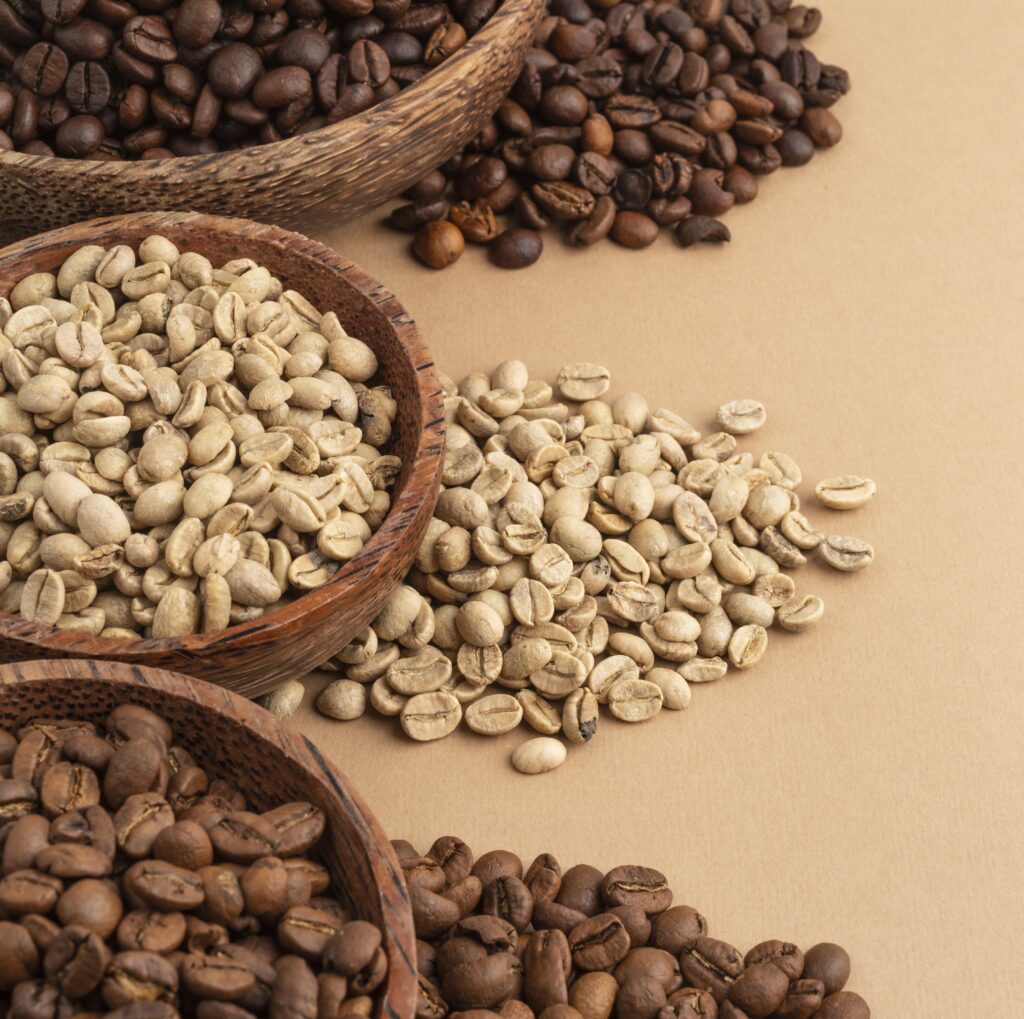
Before getting into the differences between roast levels, it helps to understand what roasting does in the first place. A raw coffee bean, called a green bean, does not taste or smell anything like the coffee you drink. It is grassy, dense, and full of moisture. Roasting changes all of that. Heat causes hundreds of chemical reactions inside the bean that develop flavor, create aroma, reduce moisture, and change the bean’s structure and color.
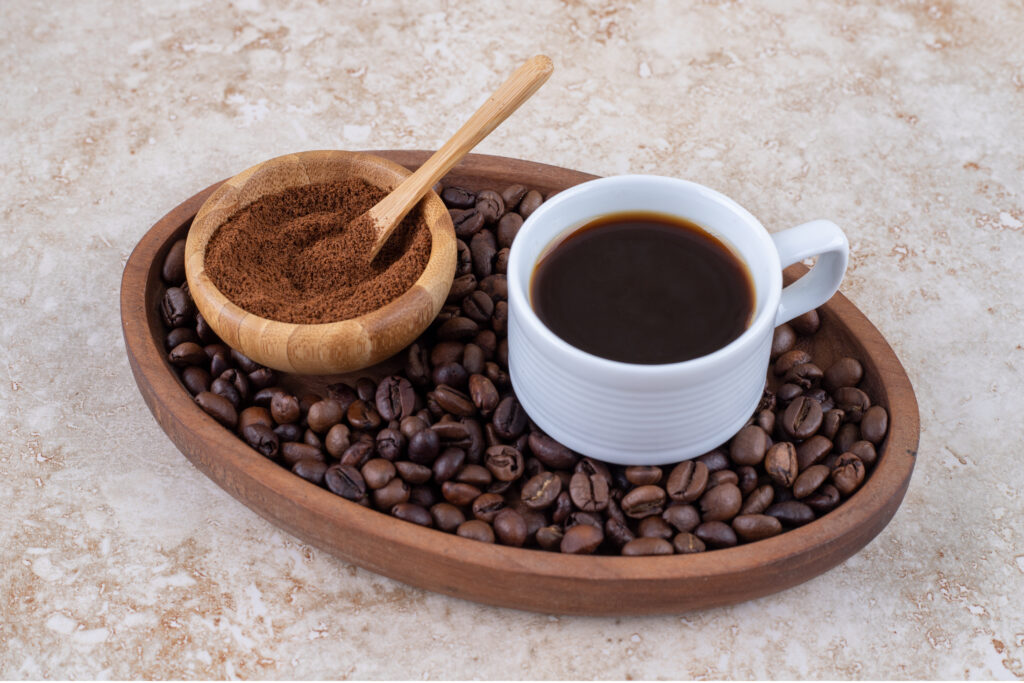
The longer and hotter a bean is roasted, the more its original characteristics are transformed. A lightly roasted bean retains much of what the coffee plant and its growing environment contributed. A heavily roasted bean has had most of those original notes burned away and replaced with flavors created by the roasting process itself. Neither is better. They are just different, and knowing which you prefer starts with understanding what each one actually tastes like.
Roasting also affects the bean’s density and oil content. As heat increases, the bean expands and its cell walls break down. At a certain point, you hear what is called the first crack, a sound like popcorn popping, which signals that the bean has reached a light roast. If roasting continues, the bean reaches a second crack, which is where medium-dark and dark roasts begin. The oils inside start migrating to the surface, which is why very dark roasted beans look shiny while lightly roasted beans look dry and matte.
Light, Medium, and Dark: The Real Differences
Light roast is roasted just past the first crack and stopped before the second. The bean retains the most moisture and density of the three levels, and the flavors are the closest to the bean’s original character. This is why light roasts often taste fruity, floral, or tea-like. You might notice notes of blueberry, citrus, jasmine, or stone fruit depending on where the bean was grown. Light roast also has the highest acidity of the three, which gives it a bright, lively quality that some people love and others find too sharp.
One of the biggest myths about light roast is that it is lower in caffeine. The opposite is closer to the truth. Caffeine degrades slightly with heat over time, which means lightly roasted beans retain a tiny bit more caffeine per bean than darkly roasted ones. The difference is small and varies by brewing method, but light roast is not the weaker option that many people assume it is.
Medium roast stops somewhere between the first and second crack. It balances the origin flavors of the bean with the development that comes from more roasting time. The acidity softens, the body gets a little heavier, and you start getting more caramel, chocolate, and nutty notes alongside whatever fruit or floral character the bean started with. Medium roast is the most widely enjoyed level because it sits comfortably in the middle. It is approachable without being flat, and complex without being polarizing.
Dark roast goes into or past the second crack. The original bean characteristics are largely replaced by the flavors of the roast itself: smoky, bitter, bold, with notes of dark chocolate, roasted nuts, and sometimes a slight char. The oils have moved to the surface of the bean, which gives dark roast coffee a heavier, more coating mouthfeel. Acidity is very low, and the body is thick. For people who love a bold, intense cup, dark roast delivers exactly that.
Here is a simple breakdown of what separates the three:
- Light roast: fruity, floral, tea-like, high acidity, matte bean surface, retains more origin character
- Medium roast: balanced, caramel and chocolate notes, moderate acidity, round and approachable
- Dark roast: bold, smoky, low acidity, heavy body, oily bean surface, roast flavors dominate
How Roast Level Affects Your Favorite Drinks
The drink you order matters just as much as the roast when it comes to what ends up tasting good. Light roast beans shine in pour-over and filter brewing methods because these methods allow the delicate fruity and floral notes to come through clearly. The clean extraction of a pour-over does not mask those nuances the way pressure brewing does.
Espresso is traditionally made with medium or dark roast because the high-pressure extraction pulls a lot from the bean very quickly. Lighter roasts can taste sour or thin when pulled as espresso if the barista is not dialing in the grind and timing carefully. However, many of the best cafes in the Bay Area and specialty espresso bars in SF now pull excellent espresso from medium and even light roast beans, which produces a brighter, more complex shot than the traditional dark roast espresso most people grew up with.
Milk-based drinks like lattes and flat whites pair especially well with medium and dark roast espresso because the roasted, chocolatey notes of those beans hold up well against the sweetness of steamed milk. Handcrafted espresso drinks SF coffee drinkers seek out most often tend to use medium roast blends that are designed specifically to work well with milk while still offering enough complexity to taste good on their own.
At Doppio Coffee & Brunch on Mission St in San Francisco, the espresso is made using Lavazza, a roaster known for crafting well-balanced blends that perform consistently across a range of espresso drinks. The result is a smooth, aromatic cup that works whether you are ordering a straight shot, a creamy latte, or something over ice. The cozy, stylish interior and that immediately recognizable café aroma make the whole experience feel welcoming from the moment you arrive, whether it is your first visit or your hundredth.
Tips for Choosing the Right Roast for You
If you are not sure which roast level suits you best, a few simple approaches make the decision easier. Start by thinking about what you already enjoy. If your current coffee tastes too bitter or heavy, try stepping back to a medium roast. If it tastes flat or lacks brightness, a light roast might open up flavors you have been missing.
Ask your barista. At artisan coffee shops in the Bay Area and good specialty coffee San Francisco spots, the people behind the bar genuinely know their product. They can tell you what the current offerings taste like and make a suggestion based on how you describe what you enjoy. This is one of the most underused resources available to any coffee drinker.
Try the same brewing method with different roast levels on separate days. Comparing them side by side, or close to it, makes the differences much clearer than trying to remember what one tasted like from a week ago.
Pay attention to how the coffee smells before you drink it. Light roasts tend to smell bright and fruity. Dark roasts smell smoky and bold. Aroma gives you a preview of flavor and helps set your expectations before the first sip.
San Francisco’s coffee culture rewards curiosity. From locally roasted coffee in San Francisco that changes with the season to gourmet brunch in SF that pairs naturally with a well-chosen espresso drink, the city offers plenty of opportunities to explore. Doppio Coffee & Brunch is one of those places where the coffee is taken seriously and the all-day brunch menu built around seasonal ingredients gives you a full, satisfying reason to stay a while. Whether you are a light roast devotee, a dark roast loyalist, or someone still figuring out where you land, the best way to learn is to keep tasting and stay curious.