Freshly Roasted Coffee Beans for Better Flavor
There is a version of coffee that most people drink every day without questioning it. It comes in a can or a bag, sits on a shelf for months, and produces a cup that is fine. It does the job. It has caffeine. It tastes like coffee in a general sense. Then there is what coffee actually tastes like when the beans are fresh, properly roasted, and brewed within a reasonable window of that roast date.
The difference is not subtle. It is the kind of difference that makes you understand why people who care about coffee talk about freshness the way a chef talks about using produce at its peak. The bean, like any ingredient, has a window of time when it is at its absolute best, and once that window closes, what you are left with is a diminished version of what it could have been.
In a city like San Francisco, where Bay Area eats are taken seriously and the coffee culture has been growing and deepening for decades, freshness is not a minor detail. It is a standard. The best coffee in San Francisco starts with beans that were roasted recently, handled well, and brewed before the best of them fades. Understanding why this matters makes you a smarter coffee drinker and helps you recognize the difference between a café that is truly paying attention and one that is just going through the motions.
What Happens to a Bean After Roasting
When coffee is roasted, heat drives out moisture and triggers chemical reactions that create hundreds of flavor and aroma compounds. These compounds are what give a well-made cup its complexity, sweetness, acidity, and depth. Right after roasting, the bean is actually a little too volatile to brew at its best. Carbon dioxide builds up inside the bean during roasting and needs a day or two to off-gas before the coffee becomes fully brewable. This resting period, called degassing, is why most roasters recommend waiting 24 to 48 hours after the roast date before brewing.
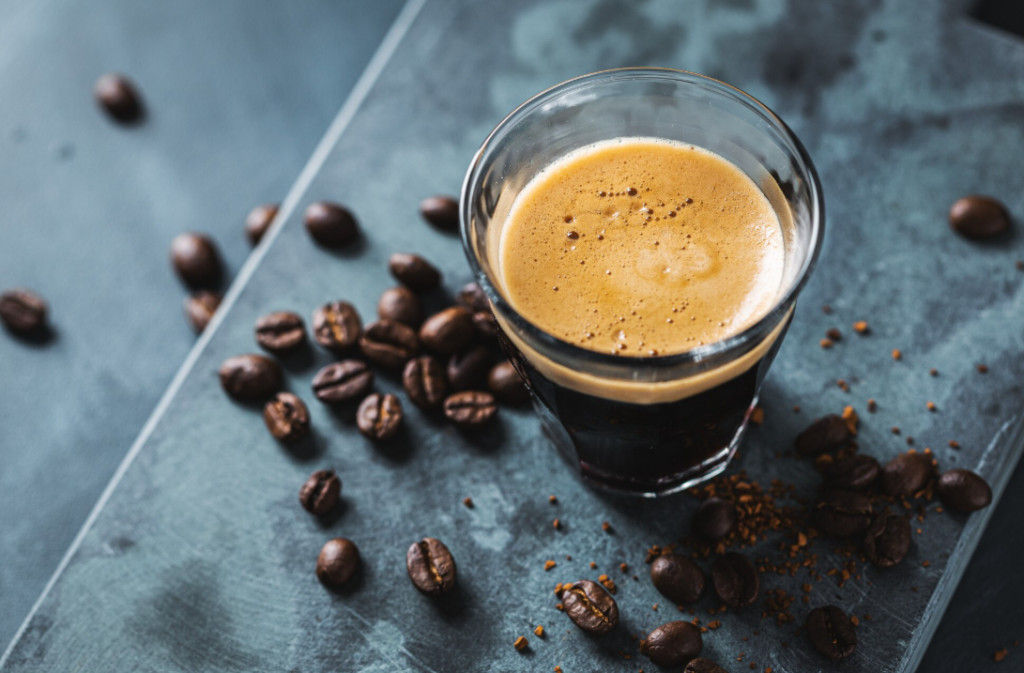
After that short resting window, the bean enters its peak period. For most coffees, this is roughly the first two to four weeks after roasting. During this time, the aromatic compounds are at their most expressive. Floral notes, fruit tones, sweetness, brightness, the qualities that make people actually excited about what is in their cup, are all present and accessible. A skilled barista working with fresh beans is working with the full range of what that coffee can offer.
Once the peak window passes, those volatile aromatics start to dissipate. Oxygen is the main cause. As air reaches the oils and organic compounds in the bean, oxidation begins to break them down. The bright, complex notes fade first. What remains is flatter, more bitter, more one-dimensional. A bean that was alive and interesting three weeks ago starts tasting like a shadow of itself. By the time a bag of coffee has been sitting on a grocery store shelf for six months, most of what made that coffee worth tasting has already gone.
Here are the main enemies of fresh coffee beans and what they do:
- Oxygen: causes oxidation that breaks down flavor compounds and makes coffee taste stale
- Moisture: speeds up deterioration and can introduce off-flavors
- Heat: accelerates the degradation of aromatic oils
- Light: damages the bean’s surface oils and contributes to rancidity over time
- Time: the accumulation of all of the above, working together to dull the coffee
Why Locally Roasted Coffee Tastes Better
This is where locally roasted coffee in San Francisco has a real and practical advantage. When a roaster is operating close to the cafés it supplies, the supply chain is short. Beans can go from roaster to café within days of being roasted rather than spending weeks traveling across the country or sitting in a distribution center. That shorter chain means the coffee arrives at the café, and then your cup, while it is still in its peak window.
SF coffee roasters who supply local cafés understand this rhythm. They roast to order or on a tight rotation, which means what is on the shelf at a good specialty coffee shop in SF was not roasted six weeks ago. It was roasted recently, rested properly, and is being used while it is still at its best. This is one of the things that separates artisan coffee shops in the Bay Area from places that prioritize cost and convenience over quality.
The flavor difference shows up most clearly in the aroma. Fresh beans smell complex and vibrant when ground. You get layers of fruit, chocolate, nuts, or flowers depending on the origin and roast level. Stale beans smell flat, sometimes slightly cardboard-like, and the aroma disappears quickly. Because aroma is so deeply connected to what you perceive as flavor, that loss of aroma translates directly into a less interesting and less satisfying cup.
Espresso is particularly sensitive to bean freshness. The high-pressure extraction process used in espresso pulls a lot from the bean in a short amount of time, which means it amplifies both the good qualities of fresh beans and the flat, bitter qualities of stale ones. Handcrafted espresso drinks made with fresh, well-sourced beans taste fundamentally different from espresso made with older stock, and that difference carries through into every milk-based drink built on top of it.
How to Tell If Your Coffee Is Fresh and What to Look For
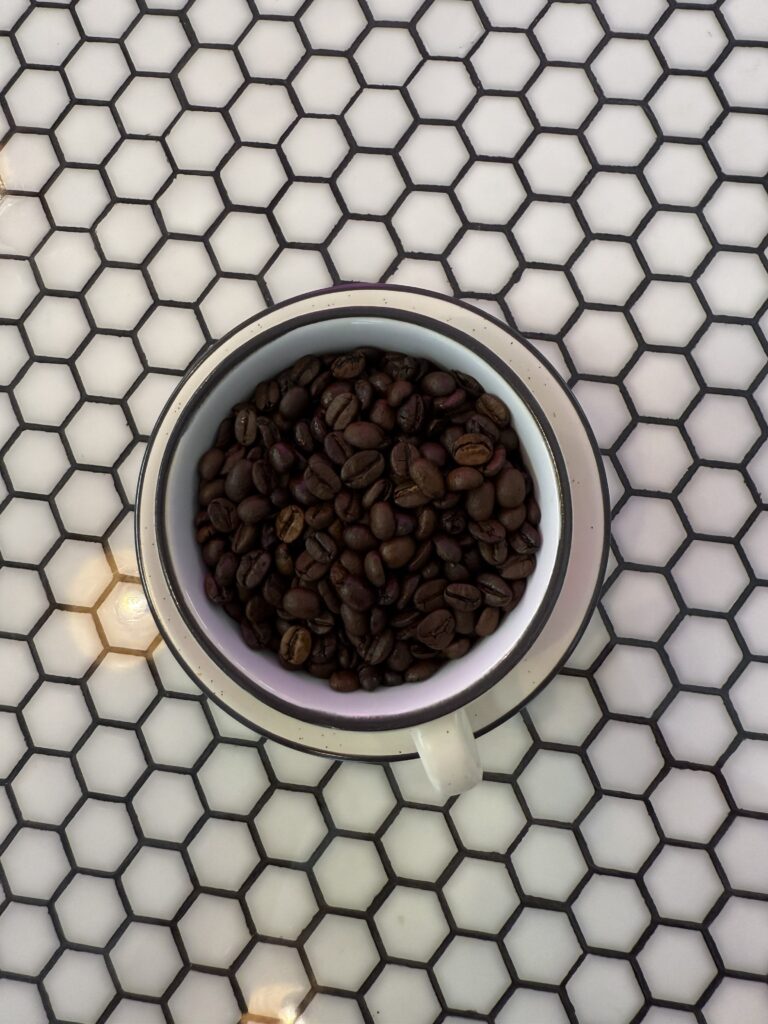
Most quality roasters print a roast date on their bags, and this is one of the most useful pieces of information a coffee bag can have. A best-by date is less helpful because it is calculated from the roast date by the manufacturer and does not tell you when the beans were actually roasted. The roast date does. Look for it on any bag you buy and aim to use the coffee within two to four weeks of that date for the best results.
When you buy coffee from a café or specialty shop, do not hesitate to ask when the current batch was roasted. Any café that takes its coffee seriously will know the answer. If they do not, that tells you something too.
Storage matters just as much as freshness at the time of purchase. Once you open a bag, the clock speeds up. A few practical tips make a real difference in how long your coffee stays at its best:
- Store beans in an airtight container away from light and heat
- Keep them at room temperature, not in the fridge or freezer unless storing for more than a month
- Buy smaller amounts more frequently rather than a large bag that sits for weeks
- Grind just before brewing, since ground coffee goes stale much faster than whole beans
- Avoid leaving the bag open between uses, even briefly
Freshness, Brunch, and the Full Café Experience
Coffee freshness matters most in the context of a full café experience. When you sit down at a good brunch spot in San Francisco and the espresso hits your cup with a thick, reddish-brown crema and an aroma that fills the space around you, that is freshness doing its job. You can taste the investment a café has made in sourcing and timing. It is the same reason that a plate of food made from seasonal ingredients at a thoughtful brunch kitchen tastes so much better than the same dish made with produce that has been sitting in storage.
Doppio Coffee & Brunch on Mission St brings these two things together. The Lavazza espresso used there comes from a roaster with a long history of producing consistent, well-balanced blends that are designed to perform at their best in a professional setting. Paired with an all-day brunch menu built around seasonal ingredients, the overall experience reflects the same attention to sourcing and freshness that makes the best SF brunch spots worth returning to. The cozy, stylish interior and the warm, rich aroma that greets you when you walk in are both natural results of what happens when a café works with good, fresh coffee rather than whatever is cheapest or most convenient.
For anyone who loves San Francisco food and wants to get more out of their daily coffee habit, freshness is the single most impactful thing to pay attention to. It costs nothing to read a roast date. It costs very little to buy from local roasters who take the timeline seriously. And the payoff, a cup that actually tastes like the bean it came from, is worth every bit of that small effort. The best cafes in the Bay Area already know this, and the coffee they serve reflects it clearly from the first sip.